
A Complete Guide to Preventing Ponding Water on Flat Roofs
Living on the Space Coast means enjoying beautiful weather for most of the year, but it also means dealing with our notorious daily summer thunderstorms. For homeowners and commercial property managers with flat or low-slope roofs, these heavy downpours can introduce a serious challenge: ponding water. If you have noticed puddles lingering on your roof long after the rain has stopped, you might be facing a problem that could compromise the integrity of your building. Here in Titusville, we at Florida High & Dry Roofing often see how a lack of proper drainage can turn a minor issue into a major structural concern. Let us walk you through the risks of standing water and the best flat roof drainage solutions for heavy rain to protect your investment.
The Risks of Ponding Water on Your Roof
By industry standards, water that remains on a roof for more than 48 hours after a rainstorm is considered ponding. While a small puddle might not seem threatening, it can cause severe damage over time, especially when combined with the intense Florida sun and corrosive coastal salt air.
One of the biggest concerns is membrane deterioration. The prolonged presence of moisture breaks down roofing materials prematurely. If you are wondering about the risks of ponding water on TPO roofing or older modified bitumen systems, the primary danger is that the seams can weaken, leading to systemic failures. Proper low slope roof membrane leak prevention is absolutely essential to avoid water intruding into your ceiling.
Additionally, water is incredibly heavy. A one-inch deep puddle weighing down on a ten-by-ten foot area adds over 500 pounds of dead weight to your roof structure. Over time, especially if your home experiences the frequent rocket rumble from nearby Kennedy Space Center launches, this persistent stress can cause the roof deck to sag. This sagging creates an even deeper depression, trapping more water in a vicious cycle. Ultimately, this can void manufacturer warranties and complicate insurance claims, making flat roofing maintenance a priority rather than an afterthought.
How to Fix Standing Water on a Flat Roof
If you are noticing persistent puddles, you are likely wondering how to fix standing water on flat roof surfaces before it causes internal leaks. The solution usually lies in improving the roof's slope and clearing the drainage system.
First, we evaluate the existing drainage components. Many times, scuppers, inner drains, and gutters are simply clogged with leaves, pine needles, or dirt blown in from coastal winds. Keeping these pathways clear is the easiest and most cost-effective way to ensure water moves off the roof efficiently.
If the drains are clear but water is still pooling, the roof may lack the proper pitch. Flat roofs are never perfectly flat; they are designed with a slight incline to direct water toward the edges. We often install tapered insulation under the roofing membrane to create this necessary slope. This involves placing rigid insulation boards that gradually decrease in thickness, encouraging water to flow naturally toward the drains rather than sitting stagnant.
For those considering a total material upgrade, installing a modern TPO roofing system can drastically improve your building's resilience. TPO membranes are heat-welded at the seams, creating a watertight bond that stands up exceptionally well to the unpredictable storm cycles of the area while reflecting UV rays to keep cooling costs down.
The Importance of Routine Maintenance
Preventing water accumulation requires a proactive approach. It is much easier and more affordable to clear a clogged drain than it is to replace rotting roof decking. Routine roofing maintenance is critical, especially just before the Atlantic hurricane season begins.
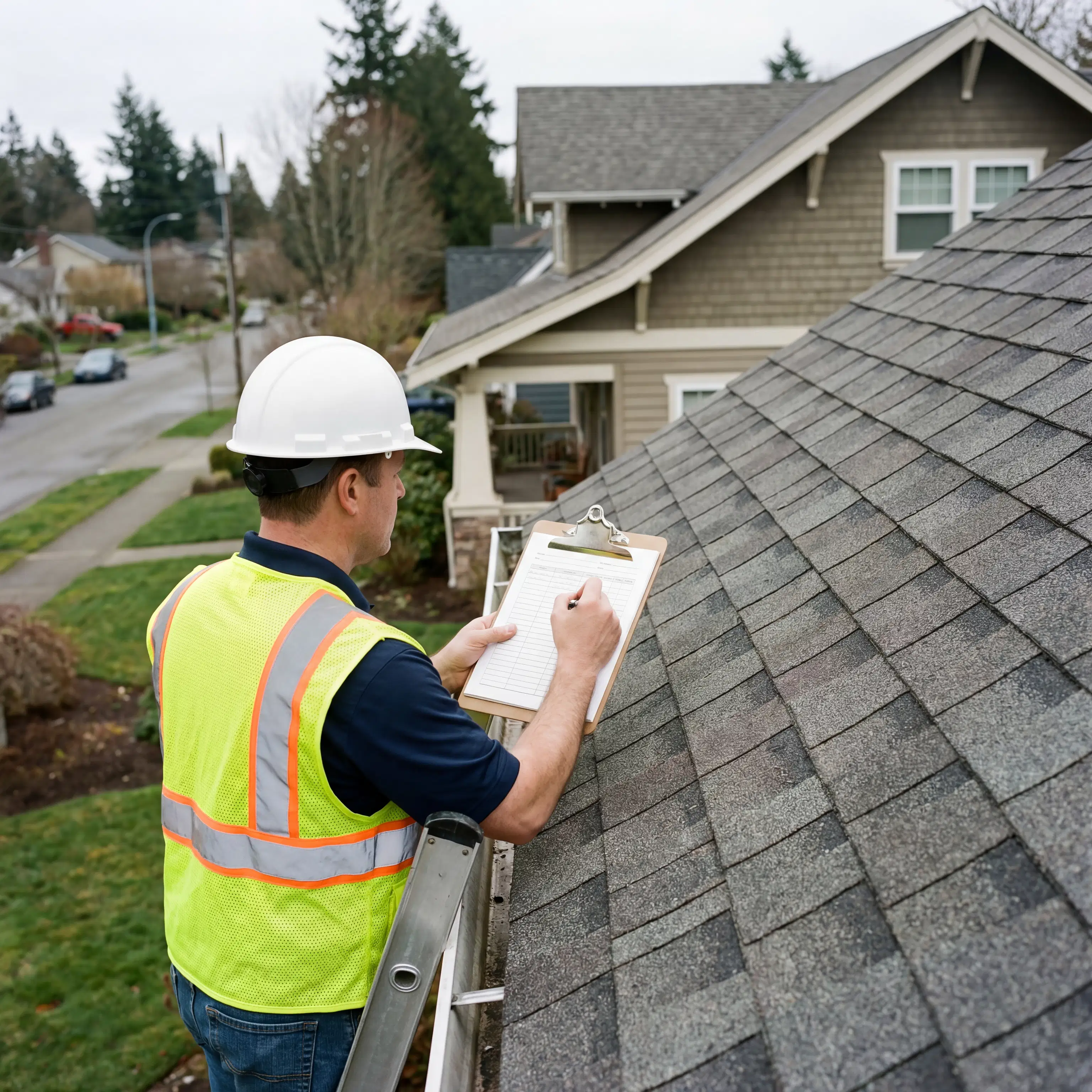
During a professional inspection, our team looks for early signs of roof damage after a storm. We check for compromised flashing, clear out debris that might block water flow, and assess the integrity of your roof's seams. Regular upkeep is especially important for properties in historic areas like LaGrange or coastal communities out near Playalinda, where older structures might be more susceptible to shifting and settling. By staying ahead of these issues, you can extend the lifespan of your roof, lower your energy bills with highly reflective surfaces, and maintain your peace of mind through every heavy downpour.
Protect Your Property Today
Dealing with the extreme weather fluctuations of Central Florida requires specialized knowledge and localized expertise. Do not wait for a minor puddle to turn into a costly structural nightmare. Out-of-state storm chasers might offer quick fixes after a severe weather event, but ensuring long-term drainage solutions requires a contractor who understands the specific building codes and coastal climate challenges we face locally.
If you are dealing with ponding water or want to ensure your property is ready for the next wave of summer storms, the team at Florida High & Dry Roofing is here to help. From comprehensive inspections to tapered insulation installations, we have the experience to keep your building secure. Reach out to us today to schedule your consultation and let our Titusville team provide the reliable, high-quality roofing solutions you deserve. Explore our contact page to get started on your free estimate!