
A Homeowner's Guide to Navigating HOA Approval for Your New Roof
Getting a new roof is an exciting and important investment for your home. It enhances curb appeal, improves energy efficiency, and most importantly, protects your family and belongings. But if you live in one of Titusville's many planned communities, there's an extra step before the work can begin: getting approval from your Homeowners Association (HOA). For many homeowners, this can feel like a daunting hurdle, filled with confusing rules and paperwork. The fear of choosing the wrong material or having your request denied can add unnecessary stress to an already significant project.
At Florida High & Dry Roofing, we understand. We've helped countless homeowners across Brevard County successfully navigate the HOA approval process. This guide is designed to demystify the requirements, help you choose the right materials, and provide a clear roadmap for getting your roof replacement project approved without the headache. Let's walk through the process together, ensuring your new roof is not only beautiful and durable but also fully compliant with your community's standards.
Step 1: Understand Your HOA's Roofing Guidelines
Before you start looking at material samples, your first step is to become familiar with your HOA's specific rules. These regulations are usually found in a document called the Covenants, Conditions, and Restrictions (CC&Rs). If you don't have a copy, you can typically request one from your HOA board or property management company.
When reviewing the document, look for the section on architectural standards or modifications. Here, you'll find the specifics on what is and isn't allowed for roofing. Pay close attention to:
- Approved Materials: Many HOAs have a pre-approved list of materials, such as specific types of asphalt shingles or tile.
- Color Palettes: It's common for communities to restrict roof colors to a specific range of neutral earth tones to maintain a uniform aesthetic.
- Style and Profile: Some rules may dictate the style of the material, for example, requiring a dimensional shingle over a basic 3-tab shingle or specifying a particular tile profile.
- Prohibited Materials: Be sure to check if any materials, like certain types of metal roofing, are explicitly forbidden.
These rules exist to protect the collective property values of the neighborhood. By understanding them upfront, you can avoid the frustration and expense of having to change your plans later on.
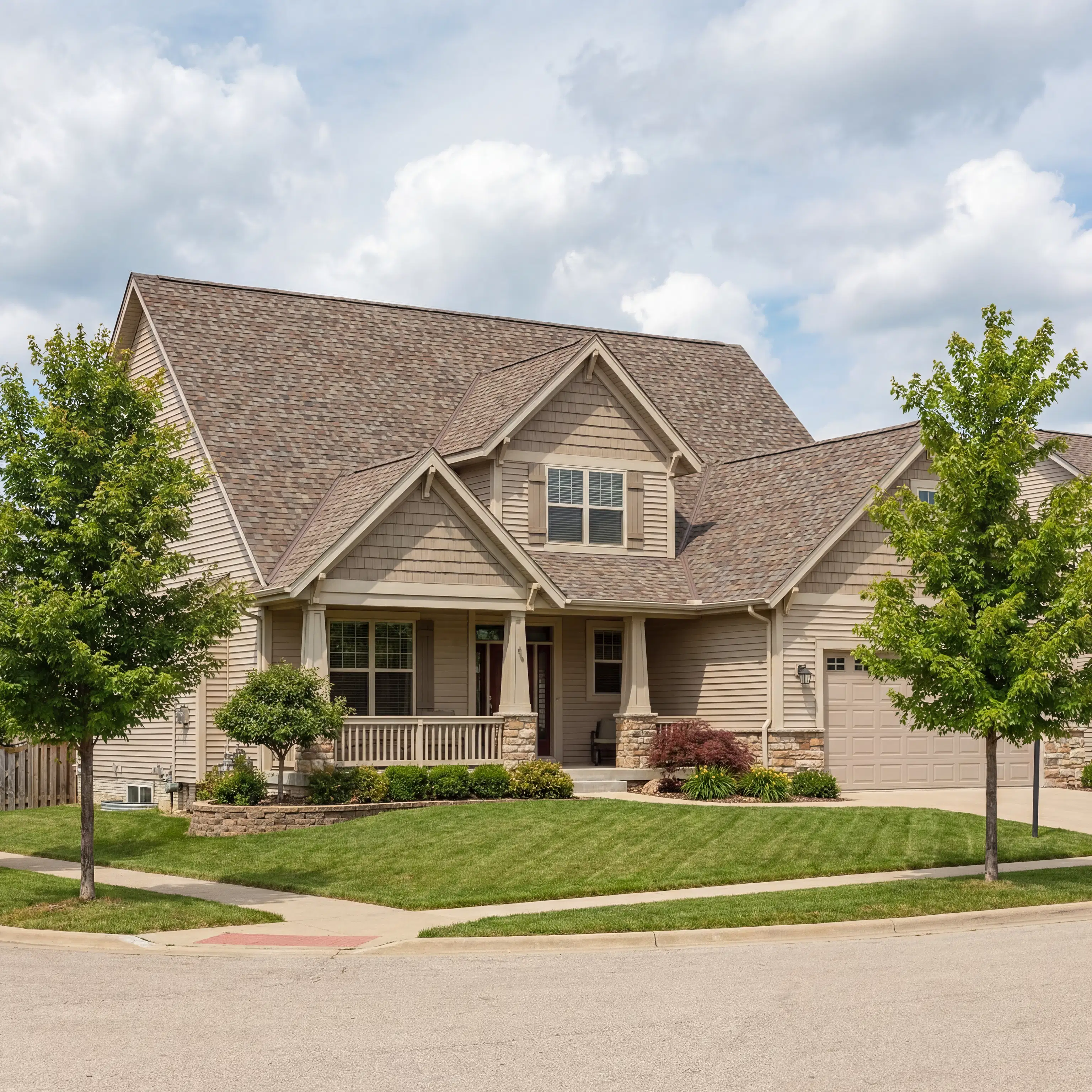
Step 2: Choose Compliant and Durable Materials
Once you know the rules, you can explore your options. Living on the Space Coast means your roof needs to be tough enough to handle intense sun, heavy rain, and hurricane season. Fortunately, many durable and attractive materials can meet both Florida's weather demands and your HOA's requirements.
-
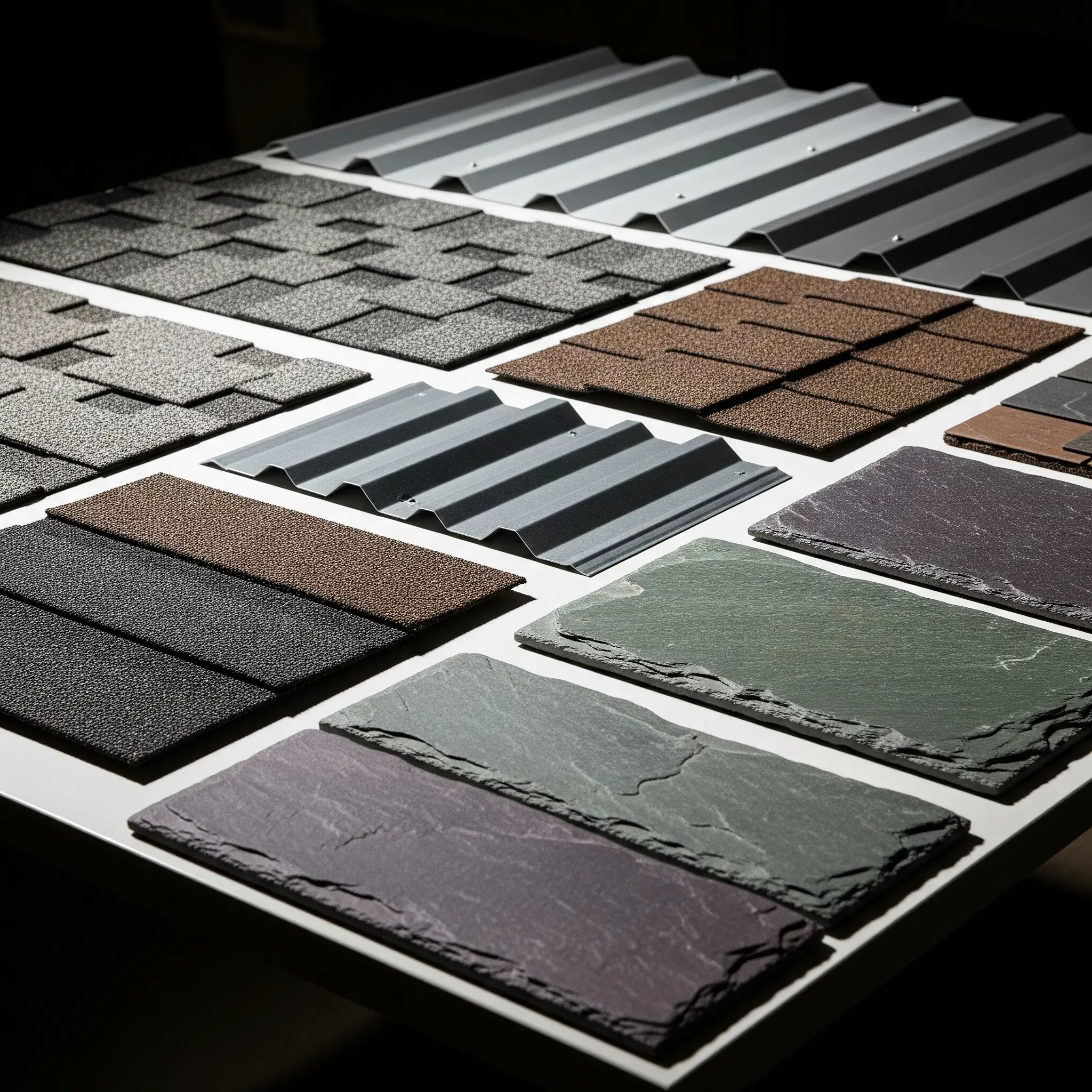
Asphalt Shingle Roofing: This is the most common roofing material in Florida and is almost always approved by HOAs. Modern architectural shingles come in a wide variety of approved colors and offer excellent protection and value. They are a reliable choice that can easily fit within most community guidelines.
-
Tile Roofing: A classic Florida look, tile roofs are known for their exceptional durability and longevity. Whether clay or concrete, tiles offer superior resistance to wind and sun. Your HOA will likely have a specific color palette for tile, but there are plenty of beautiful options that provide a timeless, elegant appearance.
-
Metal Roofing: Gaining popularity for its incredible storm resistance and energy efficiency, metal roofing is a fantastic long-term investment. Some older HOA rules may restrict metal, but many are updating their guidelines to approve modern styles. Stone-coated steel, for example, can mimic the look of shingles or tile, satisfying aesthetic requirements while providing the superior protection of metal. It's always worth checking if this high-performance option is a possibility in your neighborhood.
Step 3: The Submission and Approval Process
With your material selected, it's time to formally submit your request. Working with an experienced local roofing contractor can make this step seamless, as we are familiar with what different HOAs require.
Here’s a typical breakdown of the process:
- Complete the Application: Your HOA will have an architectural modification request form. Fill it out completely with all the project details.
- Gather Supporting Documents: You will almost always need to provide a sample of your chosen roofing material and color. You'll also need to include a copy of your contractor's proposal, license, and insurance.
- Submit the Package: Send your completed application and all supporting documents to your HOA's Architectural Review Committee (ARC) or property manager. Be sure to ask about the timeline for review.
- Await Approval: Do not start any work until you have received written approval from your HOA. Starting a project prematurely can lead to fines and being forced to remove the new roof.
If your initial request is denied, don't panic. It's often due to a simple lack of information. The board may just need a different sample or more details about the installation. We can help you provide the necessary clarification to get your project approved.
Let Us Handle the Details
Navigating HOA approval doesn't have to be a challenge. At Florida High & Dry Roofing, we have extensive experience working with HOAs throughout the Titusville area. We can help you select beautiful, compliant materials and prepare a thorough application package that meets all your community's requirements.
If you're ready to start planning your roof replacement, contact us today. We'll provide a free consultation and help you every step of the way, from HOA approval to the final inspection of your beautiful new roof.