A Homeowner's Guide to Navigating Roof Damage Insurance Claims in Florida
The winds have died down and the rain has stopped, but the stress is just beginning. Discovering your roof has sustained storm damage is a difficult experience for any homeowner on the Space Coast. The next step—filing an insurance claim—can often feel just as overwhelming. The paperwork, the terminology, and the process can be confusing, leaving you worried about getting a fair settlement to protect your home.
At Florida High & Dry Roofing, we believe you shouldn't have to navigate this complex process alone. As your local roofing partner, we've helped countless homeowners in the Titusville area manage their insurance claims with confidence. This guide will walk you through the essential steps, from initial damage assessment to final repair, ensuring you have the knowledge to protect your most valuable asset.
Step 1: Prioritize Safety and Document Everything
Immediately after a storm, your first priority is safety. Check for downed power lines, unstable trees, or other immediate hazards around your property. Once the area is secure, your next task is to document the damage to your roof before any work is done.
Use your smartphone to take clear photos and videos of all affected areas from the ground. Look for obvious signs like missing or cracked shingles, dented flashing, or damage from fallen debris. If you notice a roof leak inside your home, document the interior damage as well—water stains on ceilings or walls are crucial evidence.
While you should never climb on a potentially compromised roof, it's important to take steps to prevent further damage. This is often called 'mitigation' and is typically required by insurance policies. This might involve placing a bucket under a leak or, if necessary, calling a professional for emergency tarping. Taking these initial steps and documenting them thoroughly provides a strong foundation for your claim.
If you need immediate assistance to prevent further water intrusion, a professional roofing repair team can help secure your home safely.
Step 2: Review Your Policy and Contact Your Insurer
Before you make the call, take a moment to locate and review your homeowner's insurance policy. Understanding your coverage is key. Pay close attention to your deductible (the amount you pay out-of-pocket) and what types of damage are covered. Policies can differ, especially when it comes to wind and hurricane damage.
When you contact your insurance company to open a claim, have your policy number and documentation ready. Provide a clear, concise description of the damage and the date it occurred. The insurance company will assign you a claim number and an adjuster who will be your main point of contact.
Key Terms to Know:
- Deductible: The portion of the loss you are responsible for. A standard deductible is different from a named-storm or hurricane deductible, which is often a percentage of your home's insured value.
- Replacement Cost Value (RCV): The cost to replace the damaged property with materials of similar kind and quality, without deducting for depreciation.
- Actual Cash Value (ACV): The replacement cost of the damaged property minus depreciation due to age and wear.
Step 3: Get a Professional, Independent Roof Inspection
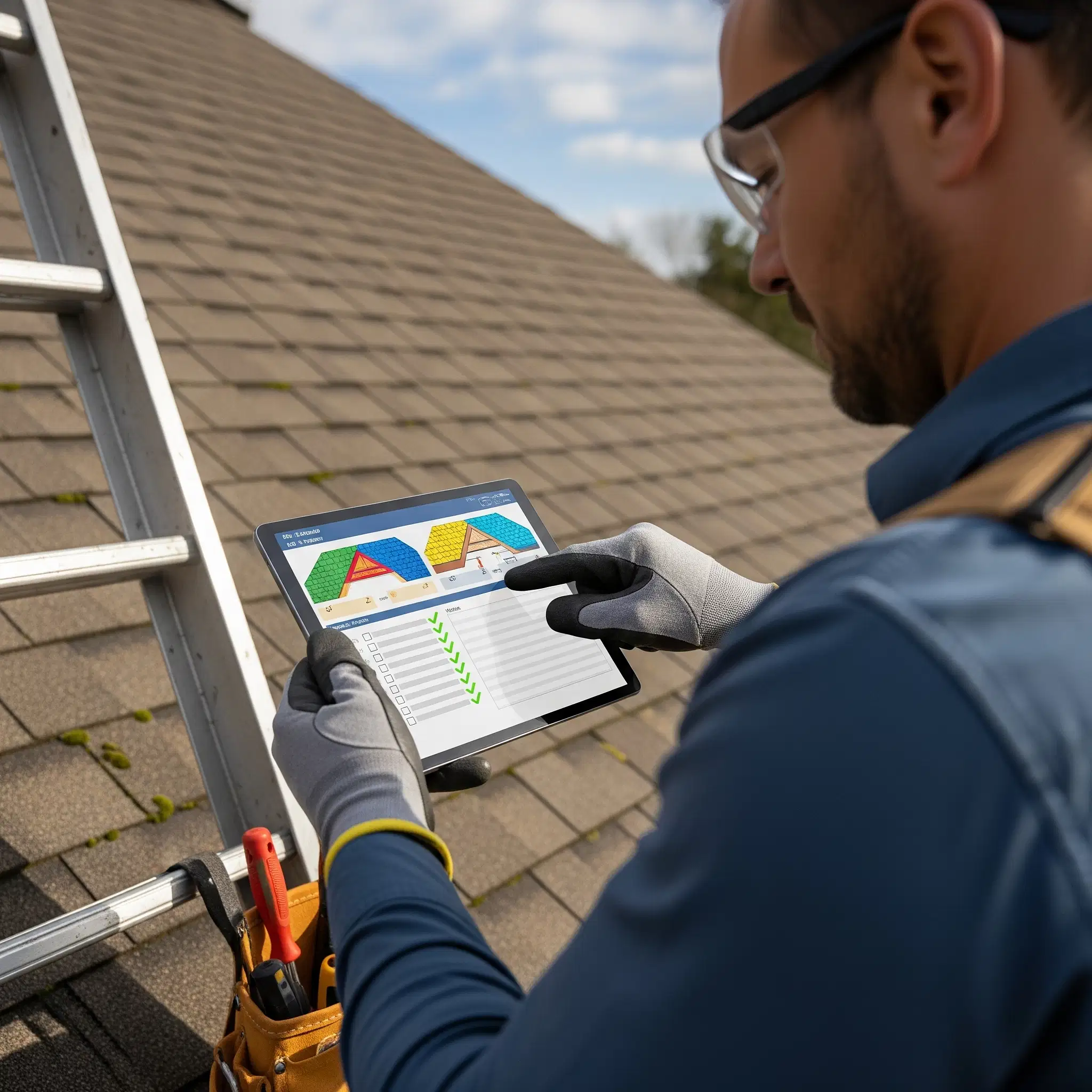
Your insurance company will send their own adjuster, but it is highly recommended that you get an independent assessment from a trusted, local roofing contractor. An experienced roofer acts as your advocate, equipped with the expertise to identify all storm-related damage—including issues that an adjuster might overlook, such as creased shingles, damaged underlayment, or compromised seals.
This is where a reputable contractor truly shows their value. Unlike out-of-state 'storm chasers' who appear after a hurricane, a local company has a vested interest in the community and understands Florida's specific building codes and weather challenges. We utilize advanced technology, like drones, for a safer and more comprehensive evaluation.
A detailed report from your roofer, complete with photos and precise measurements, is your most powerful tool. It provides a professional, third-party validation of the damage and a realistic estimate for the necessary repairs or replacement. Schedule a thorough roofing inspection to get a clear picture of your roof's condition.
Step 4: Meet the Adjuster and Compare Estimates
Whenever possible, you should arrange for your chosen roofing contractor to be present during the insurance adjuster's inspection. This allows for a professional dialogue right at the source. Your roofer can point out specific areas of damage, discuss necessary code-compliant repairs, and answer any technical questions the adjuster may have. This collaborative approach helps ensure nothing is missed and that the initial assessment is as accurate as possible.
Once the adjuster completes their report, you will receive a 'scope of work' or 'loss statement' detailing the damage they found and the estimated cost for repairs. Carefully compare this document with the estimate provided by your roofing contractor. Discrepancies are common. If the insurer's estimate is significantly lower or omits necessary work, your contractor can submit their findings and negotiate with the adjuster on your behalf, using their detailed report as evidence to justify a fair settlement for a complete and proper roof replacement.
Your Partner in Protecting Your Home
Dealing with storm damage is stressful enough without the added burden of a complicated insurance claim. By following these steps—documenting the damage, understanding your policy, and partnering with a reliable local expert—you can approach the process with clarity and confidence. Remember, you have the right to choose your own contractor, so select a company that prioritizes quality, transparency, and your best interests.
If your roof has been damaged during hurricane season or any other severe weather event in the Titusville area, don't go it alone. Contact Florida High & Dry Roofing today. We offer comprehensive roofing inspections, expert repairs, and full replacements, and we are here to guide you every step of the way. Get in touch with our team for a free estimate and the peace of mind you deserve.