
A Homeowner's Guide to Repairing Slipped and Cracked Roof Tiles
Living along the Space Coast comes with beautiful ocean views and exciting milestones at the space center, but it also means our homes are subjected to some of the most intense weather conditions in the country. From brutal summer heat and corrosive salt air to fierce hurricane seasons, your roof acts as your home's primary shield. For many homeowners in Titusville, tile roofs are the material of choice due to their exceptional durability, wind resistance, and classic aesthetic. However, even the most robust roofs can suffer wear and tear over time.
While tile roofing is incredibly resilient, individual tiles are not invincible. Whether it is an impact from flying debris during an afternoon thunderstorm or the slow degradation of adhesives over decades, dealing with damaged tiles is an inevitable part of homeownership in coastal Florida. Understanding how to spot the damage, why it happens, and what the repair process entails can save you significant time, money, and stress.
What Causes Tile Damage in Coastal Florida?
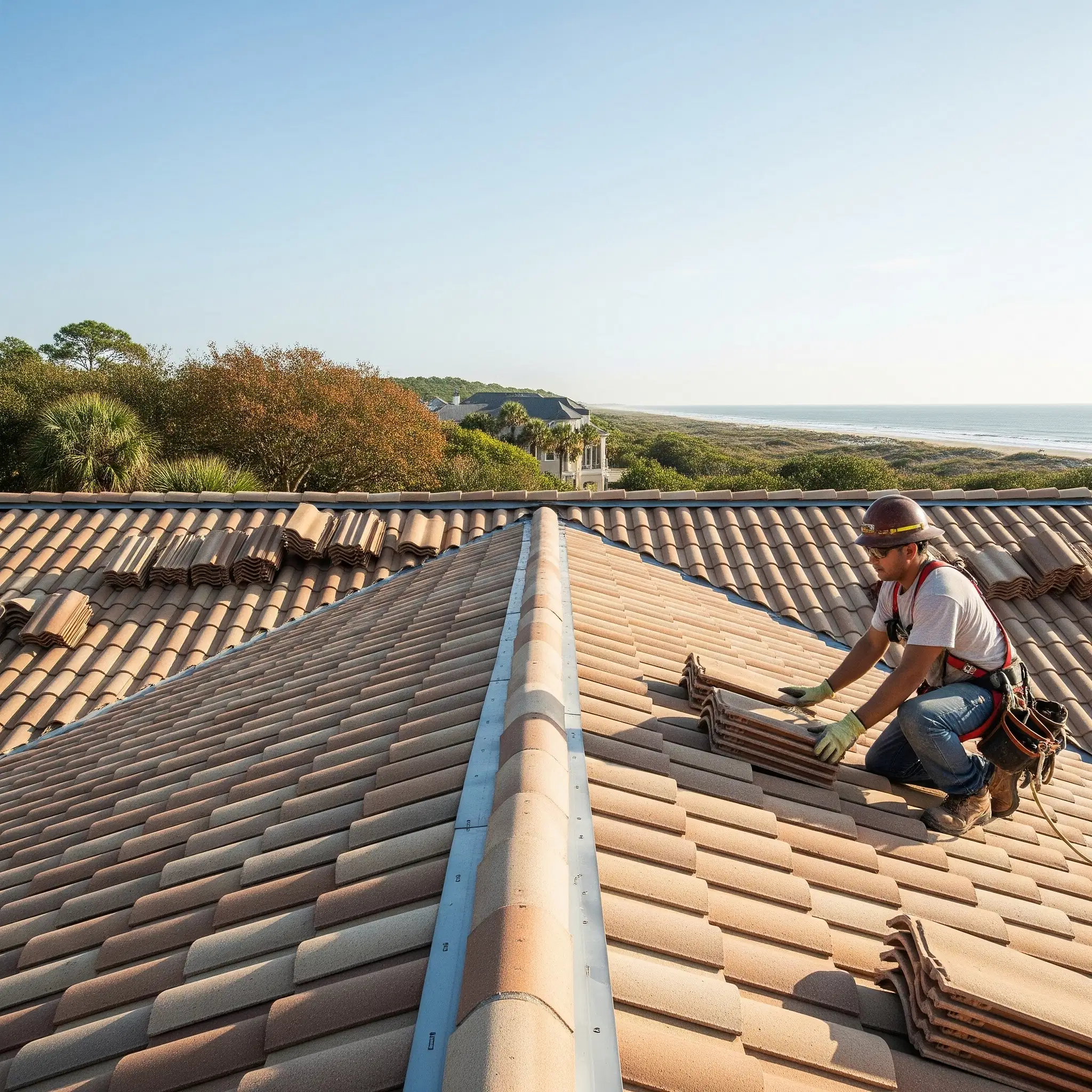
Several factors unique to our region contribute to tile displacement and breakage. The most obvious culprit is severe weather. High-speed gusts during a tropical storm can lift tiles that aren't properly secured. Fixing slipped roof tiles after high winds is one of the most frequent requests we receive during the Atlantic hurricane season. But wind isn't the only environmental stressor.
Our local area also experiences what many affectionately call the rocket rumble. The intense physical vibrations radiating from launches at The Cape can occasionally rattle older, less secure roofing components. Combine this with the corrosive nature of the salt air drifting off the Indian River, and the mortar or fasteners holding your tiles in place can eventually degrade.
Finally, simple foot traffic from unqualified workers, such as painters or satellite dish installers walking incorrectly on the roof, frequently causes hidden fractures. Because climbing on a tile roof can be incredibly dangerous and often causes further damage, we highly recommend scheduling professional roofing inspections utilizing modern drone technology. This provides a crystal-clear, contactless assessment of your roof's condition without putting a single boot on your fragile tiles.
The Hidden Danger: Leaks Beneath the Surface
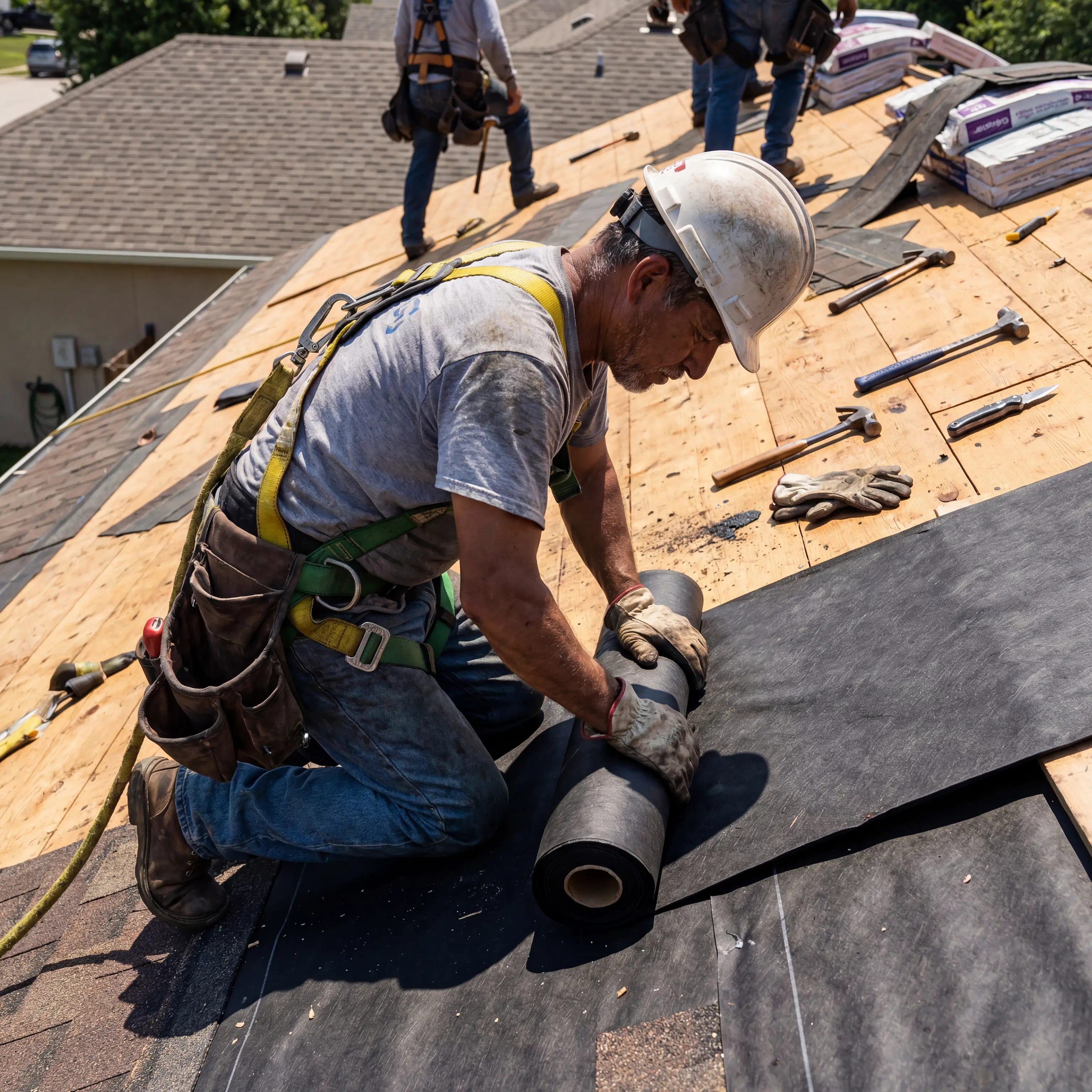
One of the most common misconceptions about tile roofs is that the tiles themselves are what make the roof waterproof. In reality, the tiles serve primarily as a protective shell against the sun's UV rays and physical impacts. The true unsung hero of your roof is the underlayment, or secondary water barrier, which sits beneath the tiles and actually seals your home from water intrusion.
Identifying leaks beneath cracked tile roofing can be incredibly tricky. When a tile slips or breaks, it exposes the delicate underlayment directly to our harsh afternoon thunderstorms and relentless sunshine. Over time, UV exposure will dry out and crack the exposed underlayment. Once that barrier is compromised, water can easily seep into your attic, causing wood rot, mold growth, and interior ceiling damage long before you notice a drip in your living room.
Addressing these issues promptly is also crucial for your insurance. Navigating Florida's strict property insurance landscape requires a proactive approach to maintenance. Allowing documented damage to linger can sometimes give insurance carriers a reason to deny future storm damage claims, arguing that the roof was poorly maintained prior to the weather event.
The Professional Repair Process
When it comes to restoring your roof's integrity, precision and expertise are paramount. Knowing exactly how to replace broken concrete roof tiles without disturbing the surrounding healthy tiles requires specialized training. If nearby tiles are lifted improperly during a repair, it can break their seals, creating a cascading effect of damage.
The specific repair method often depends on the age and construction of your roof. Traditional mortar and adhesive repair for tile roofs involves carefully removing the damaged pieces, cleaning the underlying surface to ensure proper bonding, and applying specialized, hurricane-rated poly-foam adhesives or roof mud to secure the replacement tile. The underlayment beneath the broken tile must also be thoroughly inspected and patched if any degradation has occurred.
It is also essential to ensure that any roofing repairs comply with the latest Florida Building Code standards. Minor repairs may not always require a permit, but significant structural fixes or extensive underlayment replacements certainly will. Partnering with a reputable, locally established contractor ensures that all local regulations are followed, keeping your wind mitigation credits intact and protecting you from out-of-state storm chasers who often disappear once the work is done.
Protecting Your Home for the Future
Your roof is a major investment, and maintaining it shouldn't be left to chance or guesswork. Whether you need to replace a few cracked tiles after a heavy storm or want a comprehensive evaluation of your aging underlayment, choosing a contractor with deep roots in the community makes all the difference.
At Florida High & Dry Roofing, we understand the unique challenges that coastal weather patterns present. We pride ourselves on offering transparent communication, utilizing advanced inspection technology, and delivering workmanship that stands up to the elements. If you suspect your roof has sustained damage or you simply want the peace of mind that comes with a clean bill of health before the next storm season, contact us today to schedule a comprehensive evaluation.