
A Homeowner's Guide to Tile Roof Maintenance in Coastal Florida
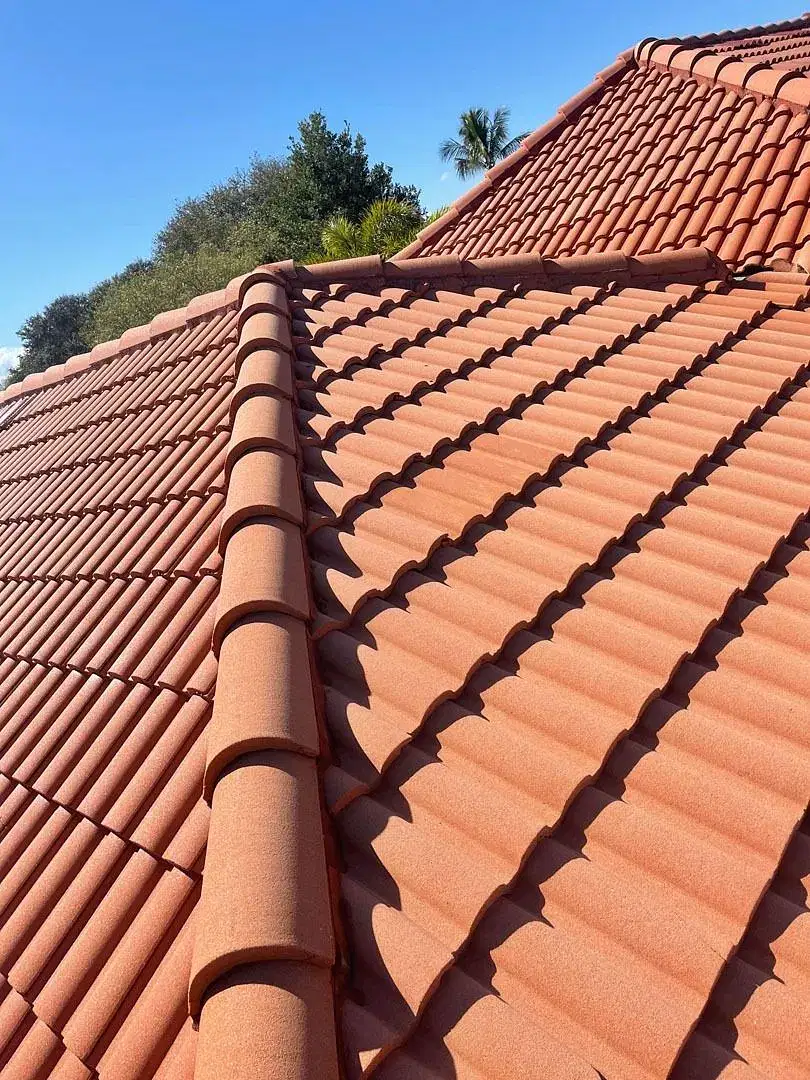
Tile roofs are an iconic part of Florida's architectural landscape, prized for their beauty, longevity, and ability to withstand intense sun. For homeowners in coastal communities like Titusville, a tile roof is a significant investment in both curb appeal and protection. However, living near the water brings unique challenges. The combination of salt air, relentless sun, and the ever-present threat of hurricane season means your tile roof requires specific care to perform its best. Proactive maintenance is the key to ensuring your beautiful roof provides decades of reliable protection. This guide will walk you through the essential steps for caring for your coastal tile roof, helping you spot potential issues before they become costly problems.
The Coastal Challenge: Salt, Sun, and Storms
Living on the Space Coast offers incredible benefits, but the environment can be tough on your home's exterior, especially the roof. Understanding these factors is the first step in effective maintenance.
- Salt Air Corrosion: The salty, humid air from the Indian River Lagoon is a constant presence. This salt can accumulate on your tiles, leading to a white, powdery residue called efflorescence. More critically, it can accelerate the corrosion of metal components like flashings, fasteners, and vents, creating weak points where water can penetrate.
- Intense UV Exposure: Florida's sun is relentless. Over time, harsh UV rays can cause the color of your tiles to fade and, more importantly, can degrade the underlayment—the waterproof barrier beneath the tiles. A compromised underlayment is one of the most common causes of leaks in older tile roofs.
- Heavy Rain and High Winds: From daily afternoon showers to the severe weather of hurricane season, your roof is designed to manage a tremendous amount of water and wind. However, even small issues like a single cracked tile or a clogged gutter can allow wind-driven rain to get underneath, leading to significant water damage.
Your Proactive Maintenance Checklist: What to Look For
Regularly checking on your roof can help you catch problems early. While a professional should always perform a thorough, on-roof inspection, here are a few things you can safely observe from the ground:
- Look for Damaged or Slipped Tiles: Using binoculars, scan your roof for any tiles that are cracked, chipped, broken, or have slipped out of place. A misaligned tile exposes the underlayment and creates a direct path for water.
- Check for Debris and Organic Growth: Leaves, pine needles, and other debris can accumulate in the valleys of your roof, trapping moisture and promoting mildew growth. Also, look for dark streaks or patches of algae or moss. While often a cosmetic issue, heavy growth can hold moisture against the tile surface.
- Inspect Gutters and Downspouts: Ensure your gutters are clear. Clogged gutters cause water to back up and overflow, potentially seeping under the eaves and damaging the roof deck and fascia.
- Examine Visible Flashings: Look at the metal strips around chimneys, vents, and skylights. Check for any signs of rust, lifting, or damaged sealant, as these are common points for leaks to develop.
When to Call a Professional for an Inspection or Repair
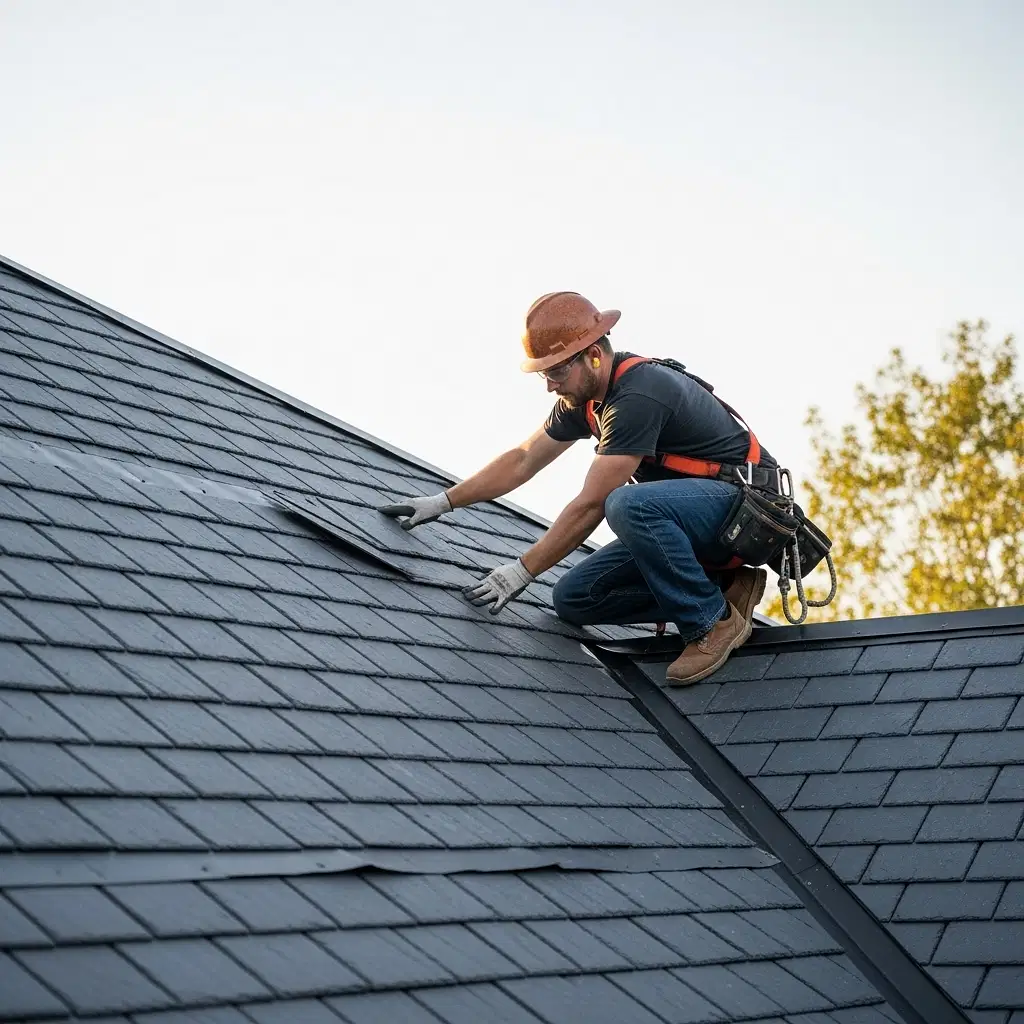
While homeowner checks are helpful, they can't replace the expertise of a trained professional. Certain signs indicate it's time to schedule a professional roofing inspection right away. Ignoring these can lead to widespread damage and more expensive repairs down the line.
It's crucial to call an expert if you notice:
- Multiple Cracked or Broken Tiles: A single broken tile is a concern; several indicate there may be a larger issue, such as foot traffic damage or an aging roof.
- Interior Water Stains: Any sign of water on your ceilings or walls is a red flag that your roof's defenses have been breached. The source of the leak needs to be identified and fixed immediately.
- Sagging Roofline: A sagging or dipping appearance could signal a structural problem with the roof decking or trusses, often caused by a long-term, hidden leak.
- Deteriorated Underlayment: If you can see crumbling, brittle, or exposed underlayment beneath your tiles, it's a clear sign that this critical water barrier is failing and needs replacement.
A professional can safely access your roof to assess the condition of not just the tiles, but the entire roofing system. This comprehensive approach is essential for ensuring your home is truly protected. Timely roofing repairs are far less costly than a full replacement caused by neglect.
Protect Your Investment with Professional Roofing Maintenance
Your tile roof is a complex system designed to protect your most valuable asset. The best way to maximize its lifespan and ensure your peace of mind is through a professional roofing maintenance plan. Regular, expert evaluations can catch subtle issues before they escalate, address wear and tear from our coastal climate, and ensure your roof is prepared for hurricane season.
At Florida High & Dry Roofing, we specialize in the installation and care of tile roofing systems. We understand the specific demands of our coastal environment and are committed to providing reliable, high-quality service to protect your home and family.
Don't wait for a leak to tell you there's a problem. If you have concerns about your tile roof or want to establish a proactive maintenance schedule, contact our team today. We proudly serve homeowners in Titusville and across the Space Coast. Schedule your professional roofing inspection and let us help you keep your home safe, beautiful, and dry for years to come.