Don't Get Salty: How to Protect Your Roof from Coastal Corrosion
Living here on the Space Coast is a dream. From watching rockets launch over the Indian River Lagoon to enjoying the coastal breeze, it’s a lifestyle that’s hard to beat. But that same wonderful sea breeze carries a hidden threat to your home’s biggest protector: your roof. The constant exposure to salt air can lead to corrosion, a slow but steady process that can cause significant damage, leading to costly repairs and compromising your home's safety. Understanding this threat is the first step toward protecting your investment. In this guide, we'll break down how salt air affects your roof and what you can do to ensure it stands strong against the coastal elements for years to come.
The Science of Salt: How Corrosion Happens
Salt air corrosion isn't just about a little rust. It's a chemical reaction that occurs when salt particles, carried inland by the wind, settle on your roof. When combined with the ever-present Florida humidity or morning dew, this salt creates an electrolyte solution that accelerates the rusting and degradation of metal components. This isn't just a cosmetic issue; it's a structural one.
Here’s what this process can do to your roof:
- Metal Panels and Flashing: Steel and other vulnerable metals will begin to rust, thin, and weaken. This often starts at cut edges or where the surface has been scratched.
- Fasteners: The screws, nails, and clips holding your roof together are often the first victims. A rusted fastener can fail, allowing shingles or panels to lift in high winds—a common sight after a storm when you see shingles blowing off.
- Protective Coatings: The corrosive film can break down the protective paint or coatings on your roofing materials, exposing the raw material underneath to further damage.
Left unchecked, this corrosion can lead to persistent roof leaks, damage to your roof deck, and a significantly shortened lifespan for your entire roofing system. It’s a classic case of a small, unseen problem turning into a major, expensive headache.
Your Best Defense: Choosing Corrosion-Resistant Materials
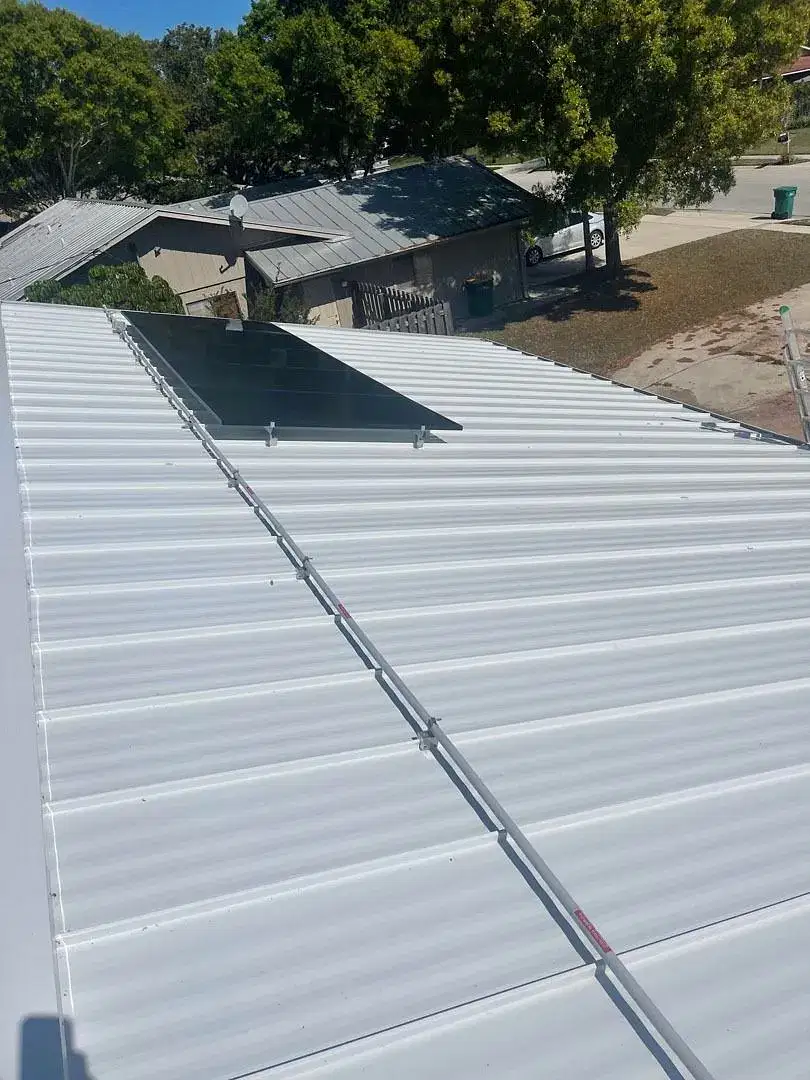
When it comes to fighting salt air, your choice of roofing material is your most important decision. While many materials can be used in coastal areas, some are inherently better suited to resist corrosion. Investing in quality materials from the start is the most effective way to ensure longevity and peace of mind.
One of the most durable and effective options for our coastal environment is a properly specified metal roof. However, not all metal roofs are created equal. For maximum corrosion resistance, you should look for:
- Aluminum: This material is naturally rust-proof, making it an excellent choice for homes directly on or near the water.
- Galvalume: This is a steel sheet coated with a powerful aluminum-zinc alloy. The coating provides exceptional barrier protection against corrosion, offering a long-lasting and durable solution.
- High-Quality Coatings: A factory-applied finish, such as Kynar 500®, provides a thick, resilient layer of protection that seals the metal from the corrosive effects of salt and UV rays.
Even with materials like asphalt shingles or tiles, which are themselves resistant, the metal flashing and fasteners used in their installation must be corrosion-resistant. Using cheap, electro-galvanized nails on a shingle roof near the coast is a recipe for premature failure.
Proactive Protection Through Inspection and Maintenance
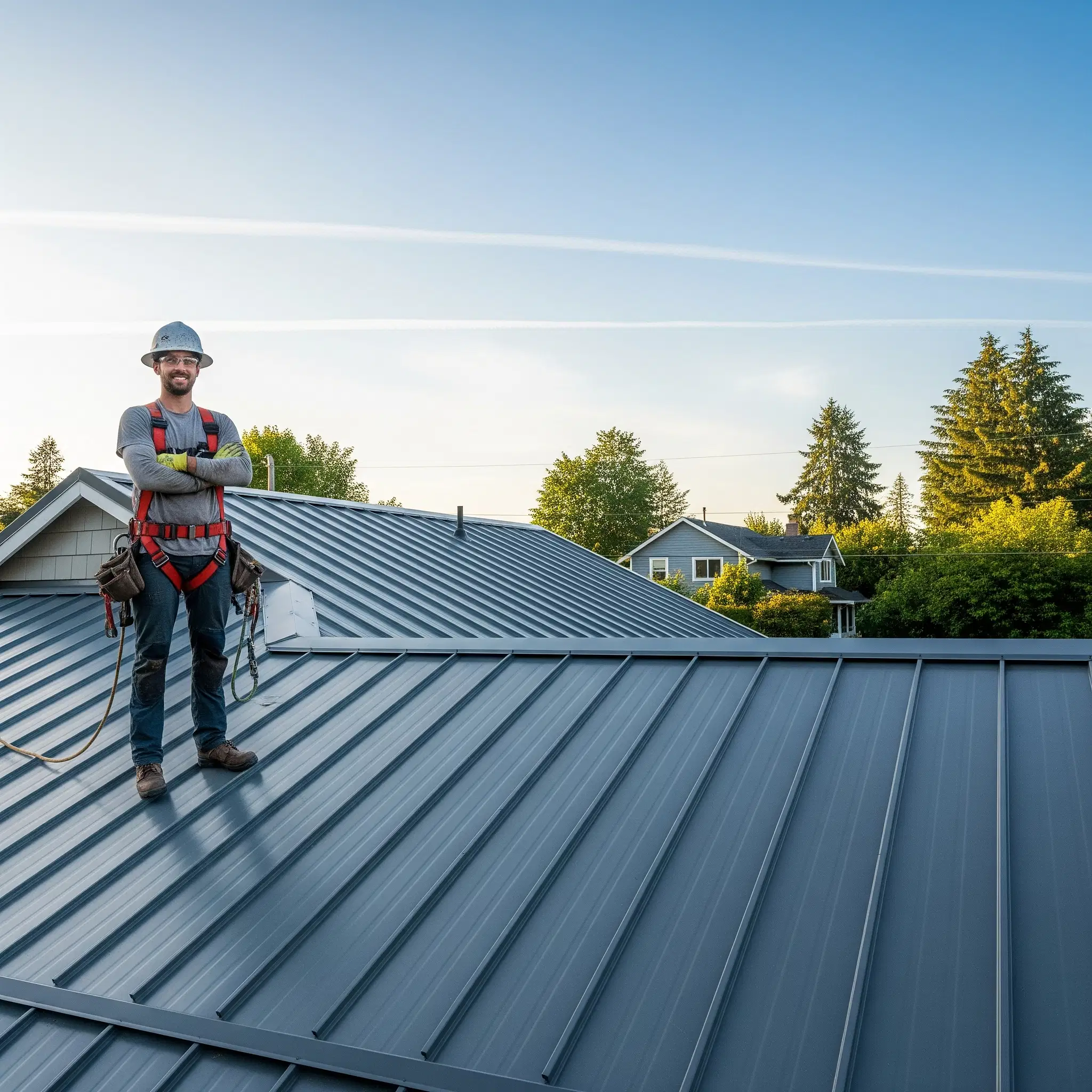
Once you have a quality roof, the key to keeping it in top condition is vigilance. A proactive approach can catch minor issues before they escalate, saving you thousands in the long run.
Regular Rinsing: A gentle rinse with fresh water from a garden hose a few times a year can help wash away accumulated salt deposits. This is particularly important after long dry spells with consistent onshore breezes. Always prioritize safety and avoid walking on a wet or steep roof.
Professional Roof Inspections: The most reliable way to protect your roof is with a professional roofing inspection. An experienced roofer knows exactly where to look for the subtle, early signs of corrosion on fasteners, flashing, and panel edges that an untrained eye would miss. Identifying and addressing these spots early can prevent a small repair from becoming a major problem.
Consistent Maintenance: Consider a scheduled roofing maintenance plan. This service goes beyond a simple inspection. It includes cleaning gutters, checking and sealing all penetrations, and addressing any minor issues like loose fasteners or compromised sealant. Think of it as a health check-up for your roof, ensuring it's always ready to face hurricane season and the daily barrage of salt air.
Protect Your Coastal Home with Expert Care
Your roof is your home's first line of defense against the elements, and here in Titusville, that includes the relentless salt air. By choosing the right materials, ensuring high-quality installation, and committing to regular maintenance, you can protect your roof and your home for decades.
If you have concerns about corrosion or want to ensure your roof is prepared for our coastal climate, the team at Florida High & Dry Roofing is here to help. We specialize in durable roofing solutions designed for the Space Coast. Contact us today to schedule a comprehensive inspection or to learn more about our corrosion-resistant metal roofing and expert roofing repair services.