Don't Let Afternoon Showers Fool You: How to Spot Hidden Storm Damage on Your Roof
Here on the Space Coast, those afternoon thunderstorms are a regular part of life. One minute it’s sunny, the next it’s a downpour, and then the sun is back out again. While these showers might seem harmless, they can pack a punch, especially when accompanied by strong winds or small hail. The real problem is that the damage they cause isn't always obvious. A few missing shingles are easy to spot, but much of the real harm can be subtle and go unnoticed until it leads to a much bigger, more expensive problem.
Many Titusville homeowners don't realize their roof has been compromised until they see a water stain on their ceiling weeks or even months later. By then, the damage has spread. This guide will walk you through how to identify the hidden signs of storm damage after a typical Florida shower, so you can catch issues early and protect your home. We'll cover what to look for from the ground, on your roof's surface, and inside your home.
Start with a Ground-Level Walkaround
You don't need to climb a ladder to start your initial assessment. A careful walk around your property can reveal several clues that your roof might have sustained damage. It’s the safest first step and can tell you a lot about the storm's intensity.
Here’s what to look for:
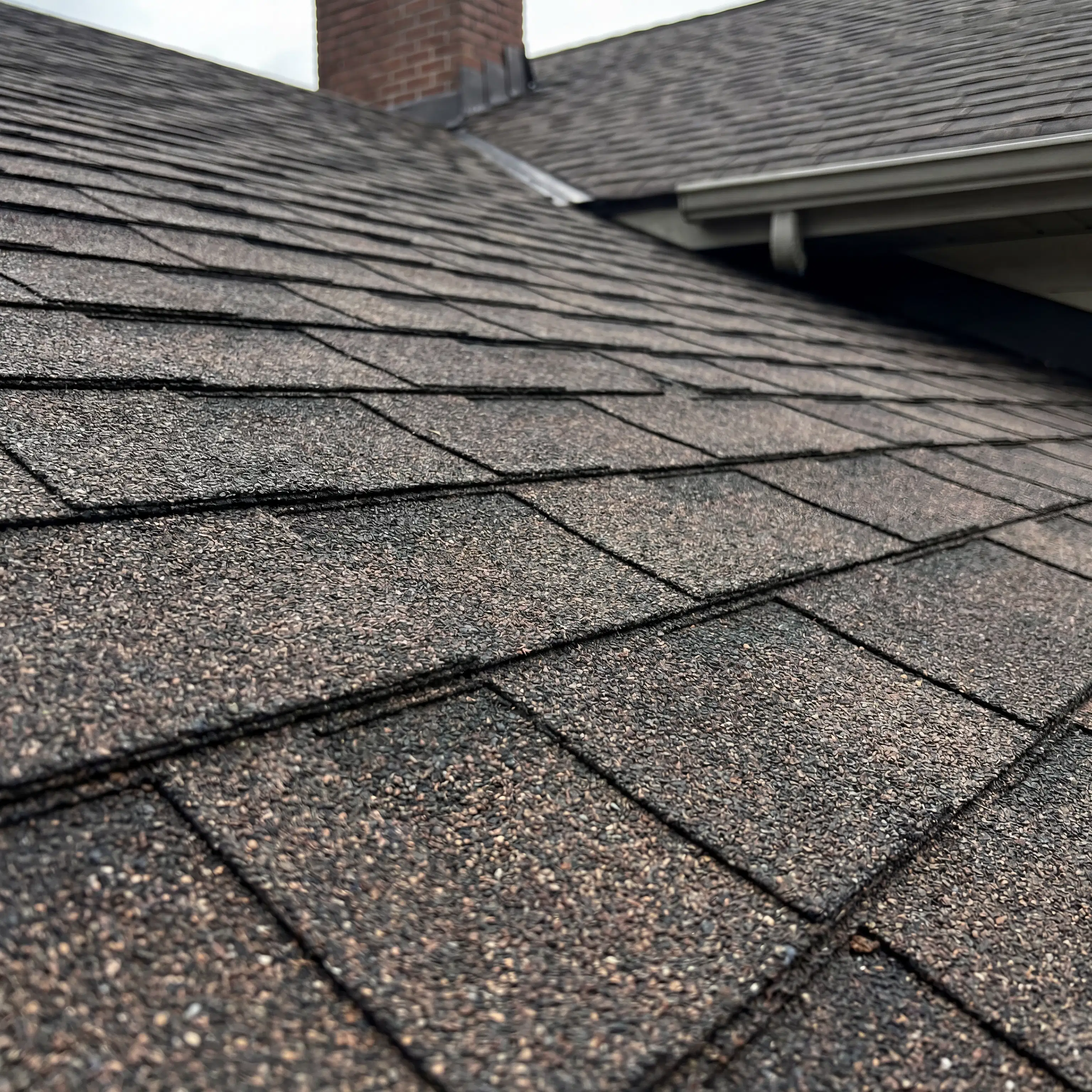
- Shingle Granules in Gutters: Check your downspouts and the ground beneath them. Finding a large accumulation of black, sand-like granules is a red flag. These granules protect your asphalt shingles from UV rays. When they're knocked loose by hail or heavy rain, it's a sign of impact damage and accelerated aging.
- Dents and Dings: Look closely at your gutters, downspouts, and any metal flashing you can see from the ground. Small dents are a tell-tale sign of hail, and if your gutters are dented, your shingles likely are too.
- Fallen Debris: Even small branches can cause significant damage if they hit your roof with enough force. Note any new debris in your yard and try to see if there are corresponding scuff marks or damaged areas on the roof above.
- Cracked or Chipped Siding: Wind-driven debris can impact more than just your roof. Check your home's siding and window screens for any new signs of damage, as this indicates the storm was severe enough to warrant a closer look at your roof.
The Subtle Signs of Damage Inside Your Home
The most critical signs of roof damage often appear inside your house, particularly in the attic. This is where a small problem on the outside becomes a major issue on the inside. After a significant storm, it's wise to grab a flashlight and take a look in your attic.
Be on the lookout for:
- Water Stains: Check the underside of your roof decking. Dark streaks, spots, or stains are clear indicators of water intrusion. Also, inspect the ceilings in the rooms below, especially in corners and around light fixtures or ceiling fans.
- Damp Insulation: Carefully touch the insulation in your attic. If it feels damp, compressed, or cold, you have an active leak. Wet insulation loses its effectiveness and can become a breeding ground for mold and mildew.
- Musty Odors: A persistent damp or musty smell in your attic or on your top floor is a strong sign that moisture is getting in somewhere. Don't ignore it, as it often points to a slow leak that's been festering.
- Visible Light: On a sunny day, turn off the lights in your attic. If you can see any daylight coming through the roof deck, it means you have a hole that water can easily penetrate.
Catching these signs early can be the difference between a simple roofing repair and a much more extensive and costly project involving mold remediation and structural repairs.
Why a Professional Roof Inspection is Your Best Bet
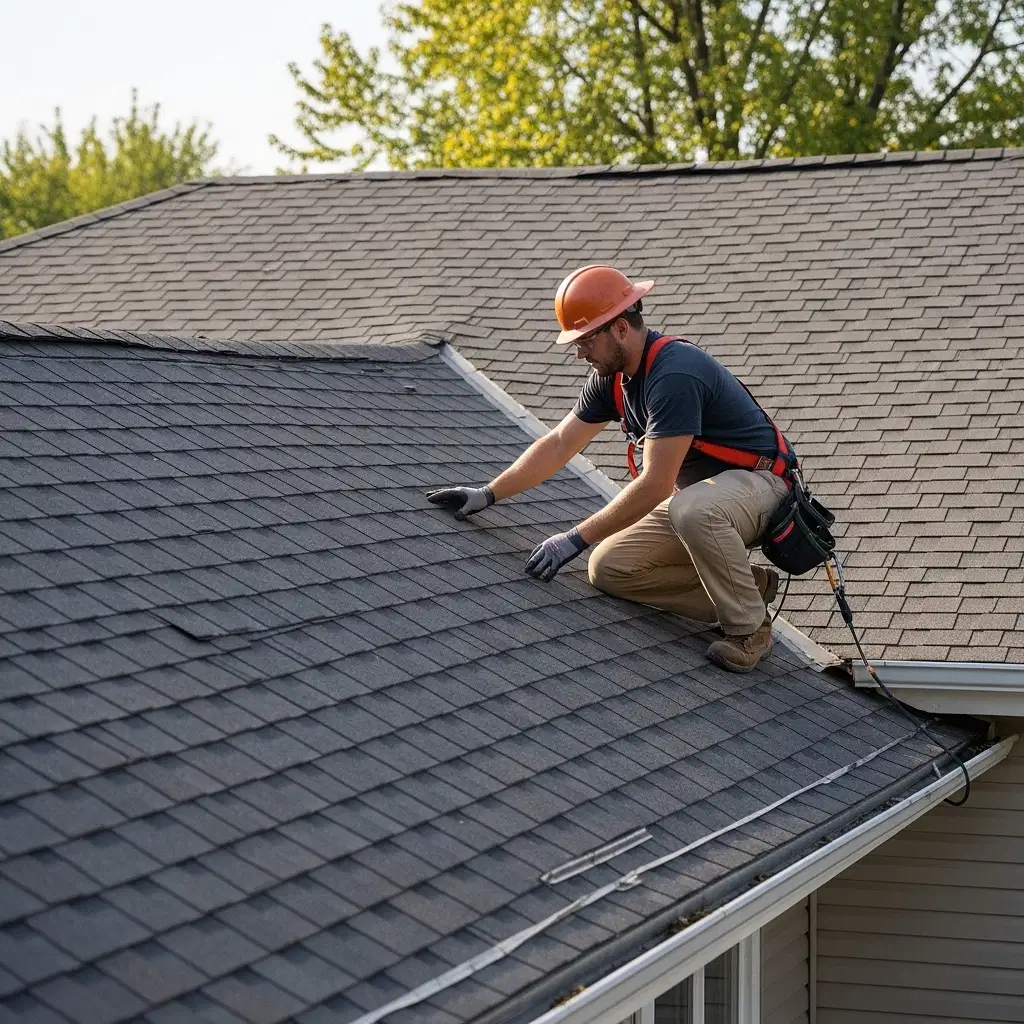
While these DIY checks are helpful, they can't replace the trained eye of an experienced professional. Some storm damage, like hail bruising on shingles, is nearly impossible to spot for an untrained eye and can void your shingle's warranty without ever causing an immediate leak. Climbing on a potentially compromised roof is also a significant safety risk.
A professional roofing inspection is the most reliable way to assess the health of your roof. A qualified inspector will safely examine every component, from the shingles and flashing to the underlying water barrier and attic ventilation. They can identify subtle issues that could become major problems during the next hurricane season and provide you with detailed documentation.
This professional assessment is crucial, especially if you need to file an insurance claim. Clear evidence and an expert report can streamline the claims process and ensure you get the coverage you need for necessary repairs. It also ensures all work is done in compliance with the Florida Building Code, which is essential for your home's safety and for potential wind mitigation credits on your insurance.
Don't Wait for a Drip—Protect Your Home Today
Those daily Florida showers are a given, but roof damage doesn't have to be. By knowing what to look for after a storm—from granules in your gutters to subtle dampness in your attic—you can take proactive steps to protect your home. Remember that the most dangerous damage is often the kind you can't see from the street.
If you've recently been through a storm or suspect your roof may have hidden damage, don't leave it to chance. The team at Florida High & Dry Roofing is here to help our neighbors in Titusville and across Brevard County. We provide thorough Roofing Inspections to give you a clear and honest assessment of your roof's condition. Whether you need a minor Roofing Repair or have questions about your Asphalt Shingle Roofing, we have the expertise to ensure your home stays safe and dry. Contact us today to schedule your inspection and gain peace of mind.