How Rocket Rumble Affects Your Roof
Living on the Space Coast comes with some incredible perks, not the least of which is having a front-row seat to history. Watching a launch light up the sky is a breathtaking experience that never really gets old. But as any long-time resident of Titusville knows, those spectacular launches come with a physical sensation that rattles the windows and shakes the floorboards.
While we often marvel at the power of these engines, we rarely stop to think about what that intense vibration is doing to our homes. The phenomenon we affectionately call rocket rumble is more than just a loud noise; it is a wave of low-frequency acoustic energy that travels through the air and ground, interacting directly with the structure of your house. Over time, these repeated vibrations can have a surprising impact on your roofing system.
For homeowners in our area, understanding how these vibrations affect different building materials is crucial for long-term home maintenance. A roof is designed to withstand downward pressure from rain and lateral pressure from wind, but upward and shaking forces from acoustic vibrations present a completely different challenge. Let's explore what happens to your roof during a launch and how you can protect your home from the unseen effects of these powerful vibrations.
The Science of Vibrations and Your Roof
When a launch occurs at The Cape, the acoustic energy rolls across the Indian River and hits the mainland with surprising force. This energy doesn't just bounce off your home; it is absorbed by the exterior surfaces, primarily the roof. Because the roof is a large, relatively flat surface area, it acts almost like a drumhead, catching those low-frequency sound waves and vibrating in response.
For homes in communities like Mims and other nearby areas, this repeated shaking can slowly compromise the integrity of roofing fasteners. Nails and screws that hold your underlayment and surface materials in place can begin to back out of the wood decking over time. This process, known as fastener backing, happens microscopically with each launch. While a single event won't cause your roof to fall apart, the cumulative effect of dozens of launches over several years certainly can.
Furthermore, the rigid materials on your roof are particularly susceptible to these micro-movements. If you have a traditional roofing system, the constant shifting can break the adhesive seals that hold materials down. Once that seal is broken, your roof becomes highly vulnerable to the severe weather we experience during hurricane season and our daily summer afternoon thunderstorms. A gap that is invisible from the ground can easily allow wind-driven rain to penetrate the underlayment, leading to hidden water damage and wood rot.
Signs of Structural Roof Damage from Vibrations
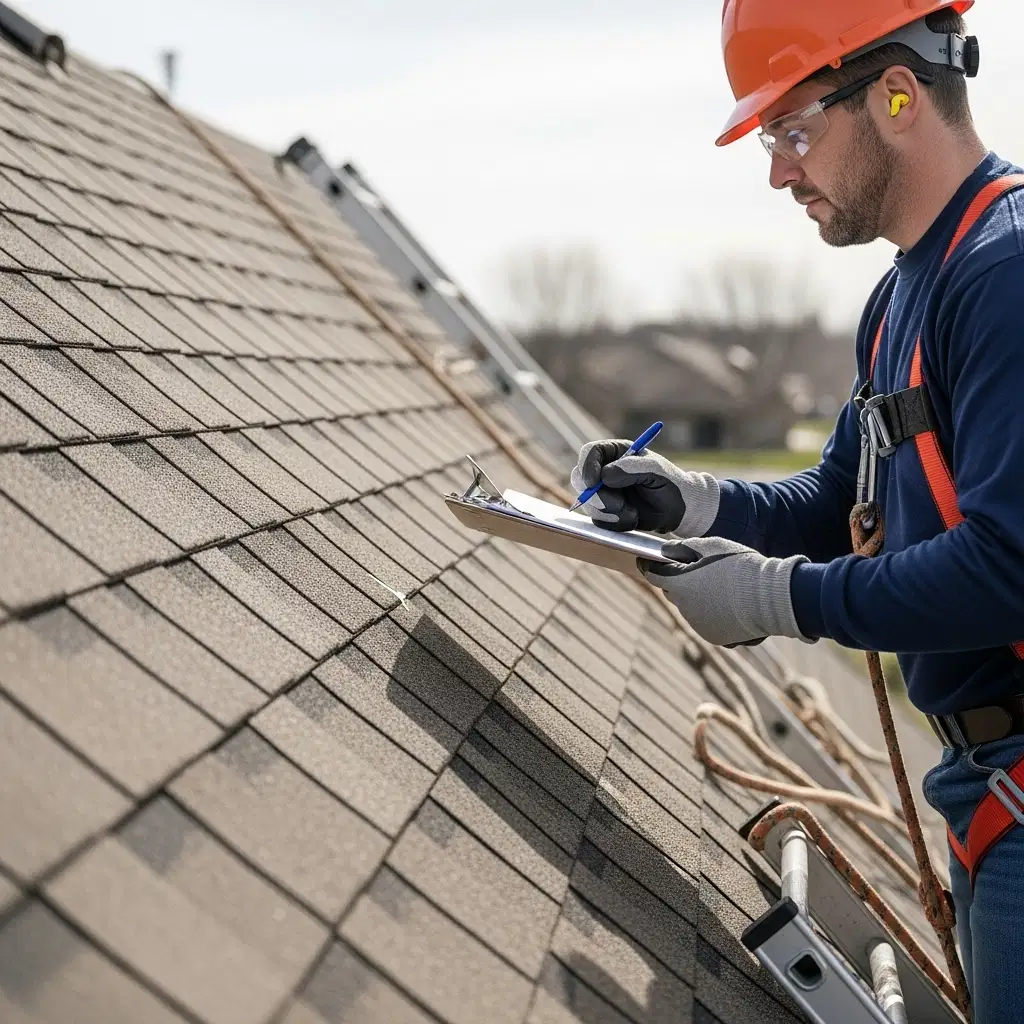
So, how do you know if your home is suffering from vibration-related wear and tear? Identifying the signs of structural roof damage from vibrations requires a keen eye, as the symptoms often mimic standard weathering. However, there are specific red flags that homeowners in places like Port St. John and the historic districts of LaGrange should watch for.
First, look for slipped or misaligned materials. If you have a rigid roofing system, the vibrations can cause individual pieces to slide out of their proper interlocking positions. You might notice uneven lines or small gaps where there shouldn't be any. Second, check your gutters and the ground around your home for an excessive accumulation of granules. While some granule loss is normal as a roof ages, excessive vibration can shake the protective granules loose at an accelerated rate, leaving the underlying asphalt exposed to the harsh Florida sun.
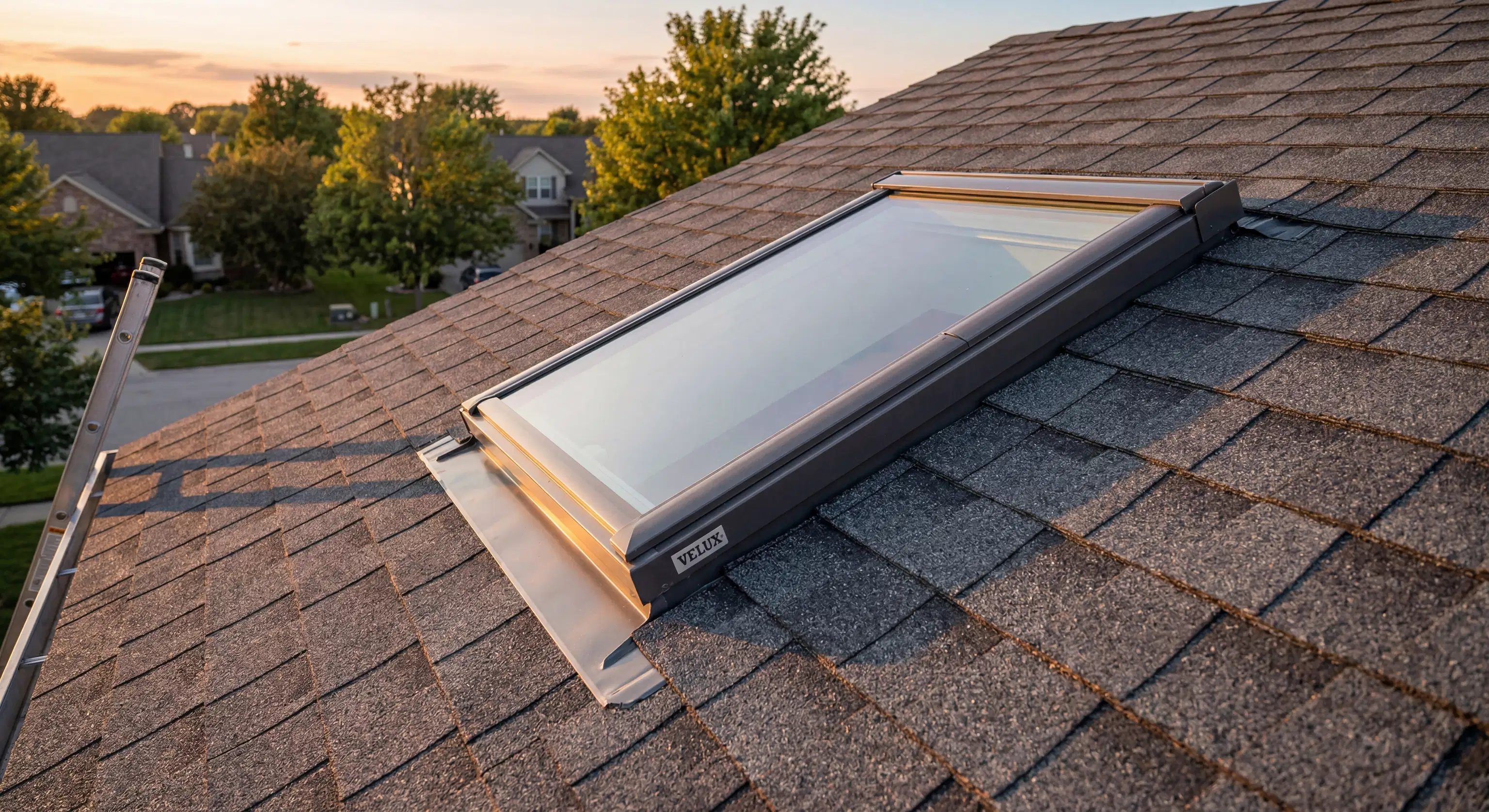
Another critical area to monitor is the flashing around your chimney, vents, and skylights. Flashing relies on a tight seal and specialized caulking to keep water out. The constant shaking can crack these sealants and loosen the metal flashing, creating a direct path for water to enter your attic. Because these issues are incredibly difficult to spot from the ground, scheduling regular roofing inspections is the best way to catch minor vibration damage before it turns into a major leak. If an inspection does reveal compromised areas, prompt roofing repairs can secure the loose components and restore your roof's watertight seal.
Choosing Vibration Resistant Roofing Materials
If you are considering a roof replacement, it is wise to factor our unique local environment into your decision. You need materials that can handle not only the intense sun and hurricane-force winds but also the acoustic shaking and the corrosive salt air blowing in from places like Playalinda beach.
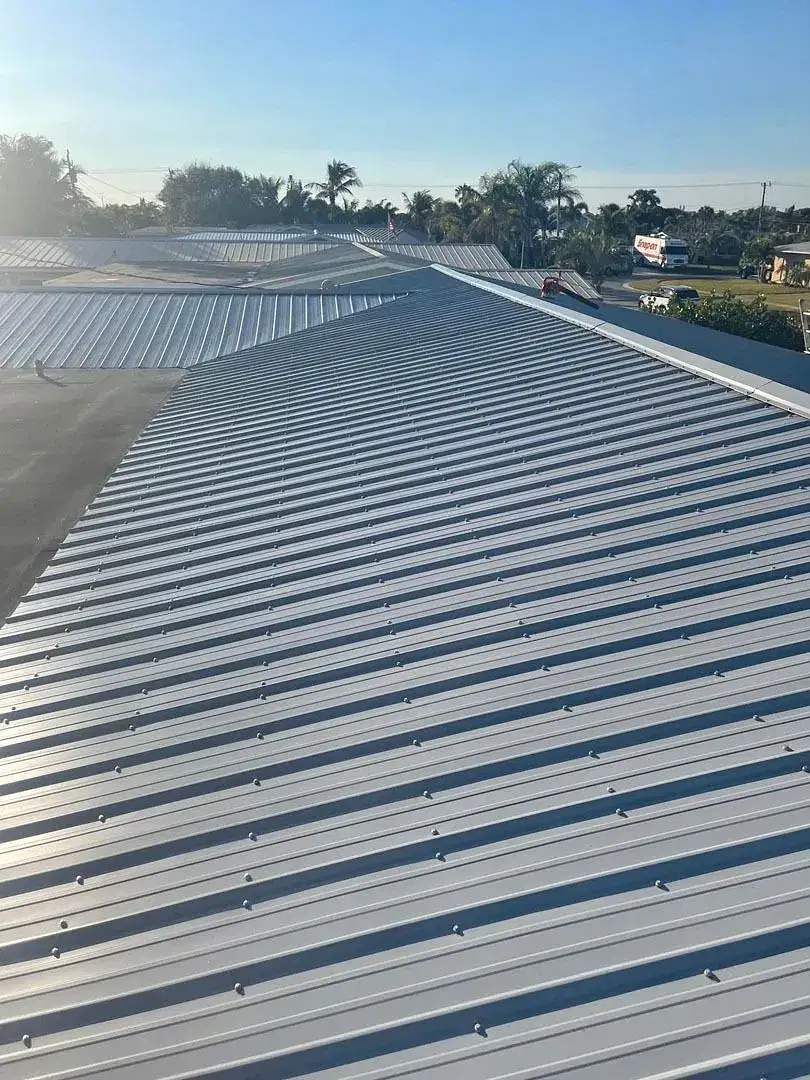
When evaluating vibration resistant roofing materials, many homeowners find themselves comparing different options to see what holds up best. Metal roofing is widely considered one of the most resilient choices for our specific environment. Because metal panels are typically installed using concealed clips that allow for thermal expansion and contraction, they also have a natural ability to absorb and dissipate vibrational energy without compromising the fasteners. Furthermore, high-quality metal roofs are highly resistant to coastal corrosion, making them an excellent long-term investment for coastal properties.
Alternatively, tile roofing remains a popular and beautiful choice, provided it is installed with our local challenges in mind. Modern installation techniques for tile involve advanced foam adhesives and specialized mechanical fasteners that are far more resistant to backing out than traditional nails. When installed by a contractor who understands the strict Florida building codes and the realities of our local environment, a tile roof can easily withstand the unique forces it will face over its lifespan.
Protecting Your Home for the Future
Living in this incredible region means adapting to its unique environmental factors. While we can't stop the ground from shaking during a launch, we can certainly build and maintain our homes to withstand it. Proactive maintenance, regular professional evaluations, and choosing the right materials are your best defenses against the hidden wear and tear caused by acoustic vibrations.
When it comes to protecting your home, it is always best to rely on local experts who understand exactly what your roof goes through on a daily basis. Out-of-state contractors who show up after a storm simply don't have the long-term community presence or the specific knowledge required to build a roof that can handle our unique combination of extreme weather and aerospace activity.
At Florida High & Dry Roofing, we pride ourselves on providing honest, transparent service to our neighbors in Titusville and the surrounding communities. We know how to navigate local building codes, assist with complex insurance documentation, and install roofing systems designed to last. If you are concerned about how recent launches or storms have affected your home, don't wait for a leak to find out. Reach out to us through our contact page today to schedule a comprehensive evaluation of your roofing system.