
Identifying Failing Fasteners on Your Metal Roof Before the Leaks Start
Metal roofs are highly sought after by homeowners for their exceptional durability, longevity, and wind resistance. When you live in an area prone to severe weather, having a solid metal roof overhead brings serious peace of mind. But even the toughest roofing systems have a potential weak point that often goes unnoticed until water starts making its way into your home: the fasteners.
At Florida High & Dry Roofing, we talk to homeowners every day who are surprised to learn that while their metal panels are built to last for decades, the screws holding those panels down are subjected to intense daily stress. Between the blistering midday heat, high humidity, and the occasional afternoon downpour, the components keeping your roof watertight take a beating.
With Hurricane Season always seemingly just around the corner, understanding how to spot fastener issues early can save you from disruptive leaks, stressful insurance claims, and unexpected out-of-pocket costs. Let us walk you through exactly what happens to these crucial little screws, what warning signs you should look for, and how addressing them early keeps your home completely protected.
Why Do Metal Roof Fasteners Fail?
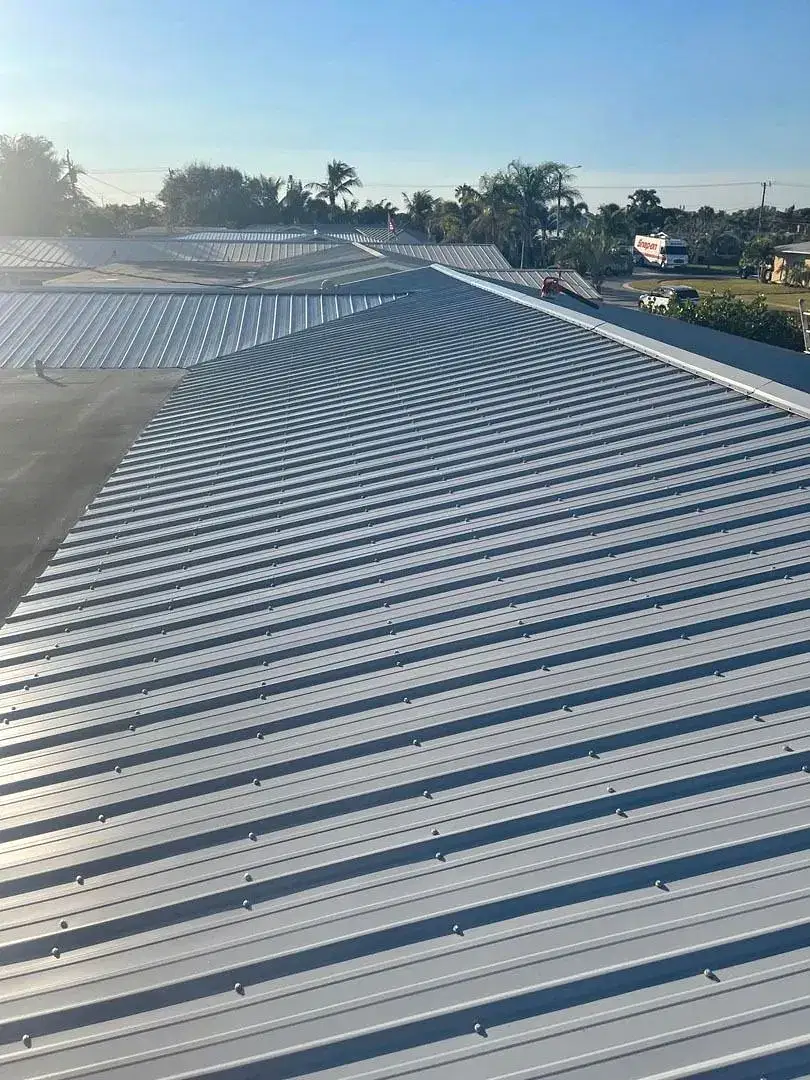
To understand why a metal roof might start having issues, it helps to understand how it is put together. Most exposed-fastener metal roofs use specialized screws equipped with a rubber or neoprene washer. When the screw is driven into the roof deck, this washer compresses, creating a watertight seal around the hole.
However, a metal roof is not a static object. Because of thermal expansion, metal panels expand when they get hot under the afternoon sun and contract when they cool down at night. Over thousands of heating and cooling cycles, this constant movement subtly shifts the panels around the screws.
Additionally, the intense ultraviolet rays from the sun constantly bake the rubber washers. Over time, UV degradation causes the rubber to dry out, lose its elasticity, and eventually crack or crumble away entirely. If you are wondering how often to replace metal roof fasteners, a good rule of thumb is to have them evaluated around the 10 to 15-year mark, though homes directly on the coast may need attention sooner due to salt spray accelerating corrosion.
Once that washer is compromised, the watertight seal is broken. When the Rainy Season arrives with its daily torrential downpours, water will effortlessly find its way down the threads of the screw, past the roof deck, and into your attic space.
Spotting the Signs of Trouble
You do not need to climb a ladder to recognize when your roof might need some attention. In fact, we highly advise against getting up on a metal roof yourself, as they can be incredibly slippery and dangerous without proper safety harnesses and footwear. Instead, grab a pair of binoculars and scan your roof from the ground, or simply pay close attention to the interior of your home.
One of the most obvious signs of leaking metal roof screws is water staining on your interior ceilings. You might notice a faint yellow or brown ring developing on the ceiling of your living room, or even water dripping slowly onto your lanai during a heavy storm.
From the ground, look for screws that appear to be sitting higher than the rest. These are known as backed out screws, which happen when the constant thermal expansion of the panels literally wiggles the screw loose from the wood decking below. You might also spot rust trails running down the metal panels originating from the fastener heads.
If you see any of these indicators, it is a smart idea to reach out to a licensed contractor for professional roofing repairs. Catching a few failed screws early is a minor maintenance task; ignoring them until they rot your roof decking is a major financial headache.
The Right Way to Handle Repairs
A common misconception is that repairing backed out screws on metal roof panels is as simple as climbing up with a drill and tightening them back down. Unfortunately, this usually makes the problem much worse.
When a screw has backed out, the wood fibers in the roof deck that originally gripped the threads are often stripped or rotted from moisture intrusion. Simply driving the same screw back into a damaged hole will not hold. Furthermore, over-tightening a screw in an attempt to make it secure will crush whatever is left of the rubber washer, ensuring a leak during the next storm.
The proper method involves removing the failed fastener, inspecting the hole for significant rot, and replacing it with a slightly larger diameter screw that features a fresh, high-quality washer. This new screw can bite into solid wood and re-establish a firm, watertight seal. Because this requires specialized materials and an understanding of panel movement, proper metal roofing care should always be handled by experienced professionals.
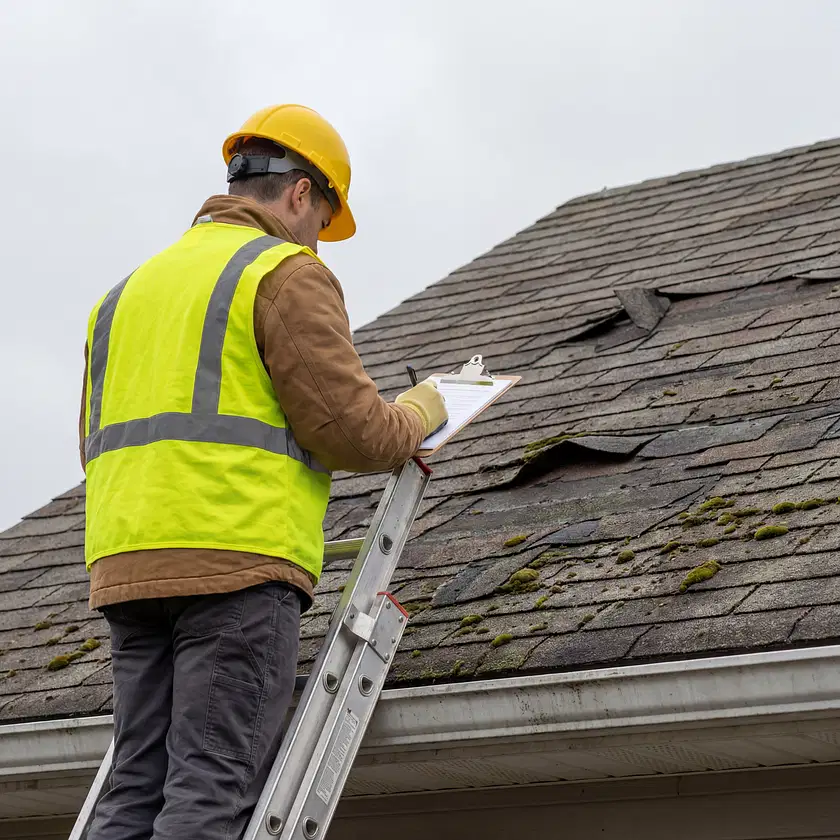
Routine roofing maintenance is the best way to stay ahead of these issues. A professional inspection can identify degrading washers, minor rust, and loose fasteners long before they lead to interior water damage. It is a proactive step that protects your investment and ensures your home is ready for whatever the weather throws our way.
Protect Your Home with Local Expertise
Your roof is your home's first line of defense against the elements. While metal roofs are famously resilient, their fasteners require periodic attention to keep everything functioning exactly as designed. From the Space Coast down to SoFlo, understanding the unique environmental challenges our homes face is key to long-term protection.
At Florida High & Dry Roofing, we believe that taking care of your home shouldn't be a source of stress. You should be able to pick up a Pub Sub, relax with your family, and know that your property is completely secure. We pride ourselves on transparent communication, thorough inspections using the latest drone technology, and providing honest recommendations without the high-pressure sales tactics.
If you suspect your metal roof might have loose fasteners, or if it has simply been more than a decade since anyone took a close look at it, do not wait for the next severe storm to test its limits. Contact us today to schedule a comprehensive evaluation, and let our local experts ensure your home stays safe, dry, and protected for years to come.