Slash Your Home Insurance: A Titusville Homeowner's Guide to Wind Mitigation
Living here on the Space Coast has its perks, but we all know that high homeowner's insurance premiums aren't one of them. With every hurricane season that rolls through, insurance companies get more particular, and rates seem to climb. But what if there was a way to significantly lower your annual premium while making your home safer? For many Titusville homeowners, the answer is wind mitigation.
This isn't just about surviving a storm; it's a proactive strategy to fortify your home and prove its resilience to your insurance provider, resulting in substantial discounts. In this guide, we'll break down what wind mitigation is, what features matter most, and how a modern roof replacement can maximize your savings and peace of mind.
What is a Wind Mitigation Inspection?
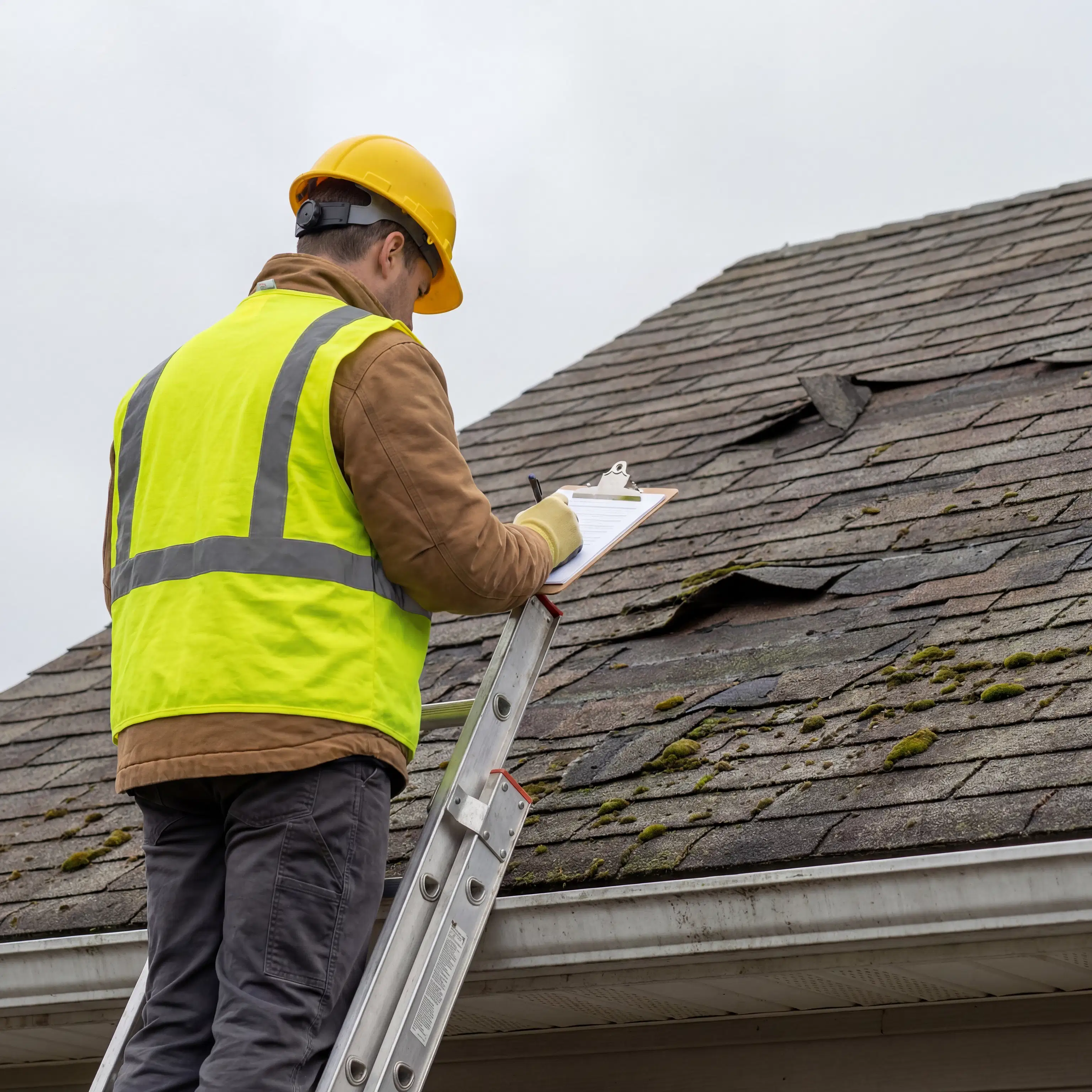
A wind mitigation inspection is a specialized assessment that verifies the storm-resistant features of your home. A certified inspector examines key aspects of your roof and structure to see how well they can withstand the high winds common during a hurricane. The resulting report is sent to your insurance company, which then applies any eligible discounts to your policy.
Think of it as a report card for your home's storm readiness. The better your home scores, the less of a risk you are to the insurer, and the more you save. This process is crucial because it focuses on the specific construction methods and materials that are proven to reduce the risk of catastrophic wind damage—the kind of damage that leads to major claims.
Key Features That Earn You Insurance Discounts
During an inspection, several critical components are evaluated. Understanding these can help you see where your home stands and where improvements could be made.
-
Roof-to-Wall Attachment: This is one of the most important factors. The inspector checks how your roof trusses are secured to the walls. The strongest connections, like metal hurricane clips or straps, prevent the roof from lifting off in high winds. Simple toenails offer the least protection and the smallest discount.
-
Roof Deck Attachment: This refers to how the plywood or OSB sheathing (the roof deck) is nailed to the trusses. The size of the nails and how close together they are spaced determines the strength. A roof deck that peels off is a common point of failure during a storm.
-
Secondary Water Resistance (SWR): This is a game-changer. An SWR is a layer of self-adhering modified bitumen applied directly to the roof deck before the shingles or metal panels are installed. If you lose shingles, this sealed barrier prevents water from pouring into your attic and home, preventing a minor roof leak from becoming a major disaster.
-
Roof Geometry: The shape of your roof matters. Hip roofs, which slope down on all four sides, are naturally more aerodynamic and perform better in high winds than traditional gable roofs. This often results in a significant insurance credit.
-
Opening Protection: The inspection also notes if your windows, doors, and garage doors are impact-rated for wind-borne debris. Protecting these openings is vital to keeping your home's structural envelope intact.
How a New Roof Maximizes Your Wind Mitigation Credits
If your home is older or your roof is nearing the end of its life, a roof replacement is the single best opportunity to maximize your wind mitigation benefits. When we install a new roof, we don't just replace the surface; we build a complete system designed to meet and exceed the stringent Florida Building Code.
This means we ensure every aspect of your new roof is optimized for wind resistance. We use the correct nailing patterns for the roof deck and install a high-quality secondary water resistance barrier as a standard practice. You also get to choose materials with superior performance.
-
Asphalt Shingle Roofing: Modern architectural shingles are thicker, heavier, and have much higher wind ratings than older 3-tab shingles. They are specifically engineered to resist shingles blowing off during a storm.
-
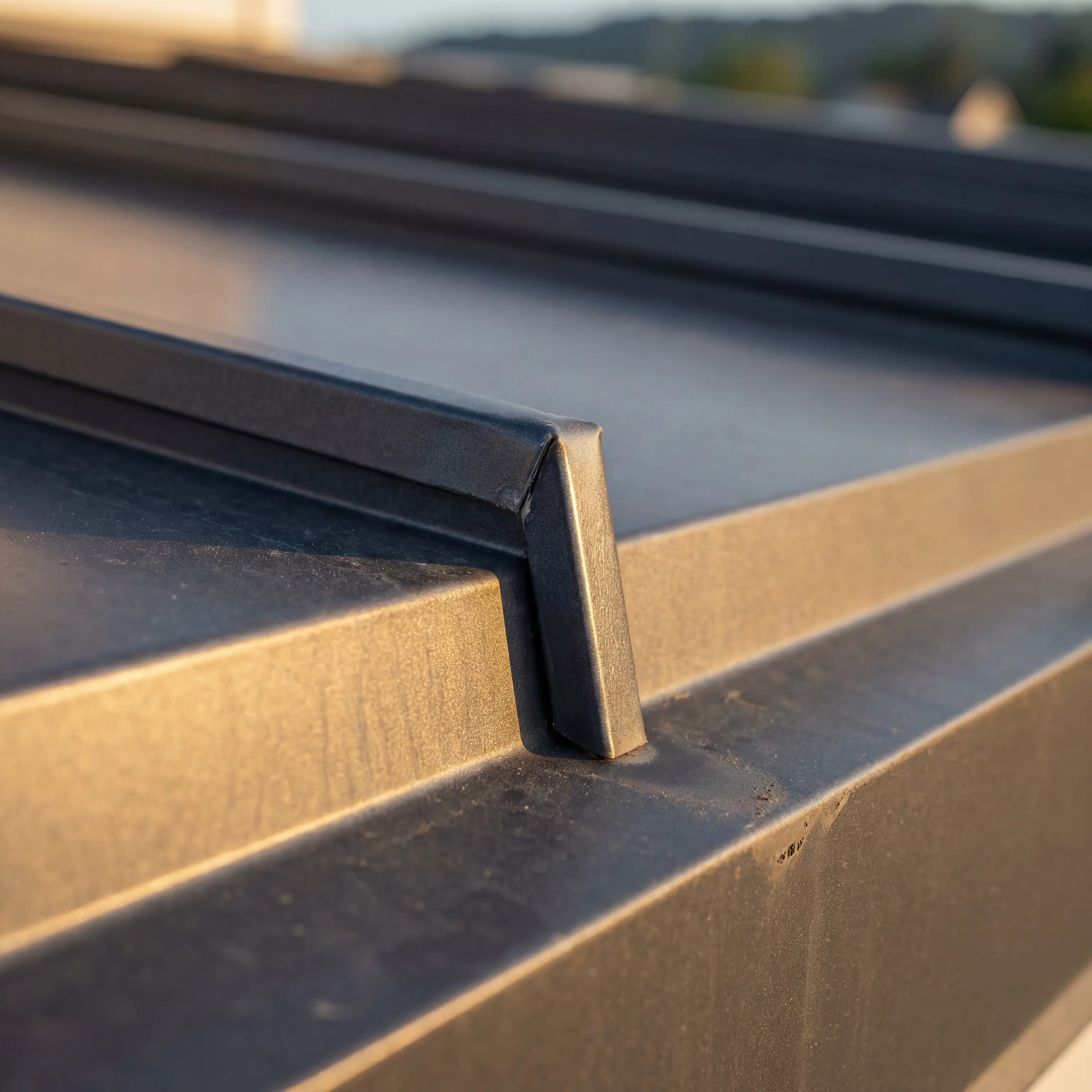
Metal Roofing: For ultimate durability and wind resistance, a standing seam metal roof is an excellent choice. Its interlocking panels create a formidable shield against wind and rain, offering some of the best protection available.
By upgrading your roof, you're not just getting a new look; you're investing in a safer structure that will earn you the maximum possible insurance discounts for years to come.
Secure Your Home and Your Savings
For homeowners in Titusville, investing in wind mitigation isn't a luxury—it's a smart financial decision that provides invaluable peace of mind. A strong, well-built roof is your home's first line of defense against hurricane season. By ensuring your roof has the right features, you can protect your property, increase its value, and achieve significant savings on your insurance premiums.
If you're unsure about your roof's current condition or want to learn how a new roof can improve your home's storm readiness, the team at Florida High & Dry Roofing is here to help. We can provide a thorough roofing inspection to assess your needs and discuss the best options, from durable asphalt shingles to high-performance metal roofing. Contact us today to schedule your free estimate and take the first step toward a safer, more affordable future.