The Hidden Key to Shingle Longevity: Proper Attic Ventilation
When the intense summer sun beats down on Titusville, your roof takes the brunt of the heat. Most homeowners focus on the quality of the shingles themselves—and rightly so, especially when preparing for hurricane season—but there is an invisible factor that plays an equally massive role in how long your roof lasts: attic ventilation. If you have ever wondered why some roofs seem to age prematurely in our coastal climate, the answer often lies just beneath the surface. For homeowners investing in asphalt shingle roofing, understanding how air flows through your attic can save you thousands of dollars and add years to your roof's lifespan.
Why Trapped Heat is Your Roof's Worst Enemy
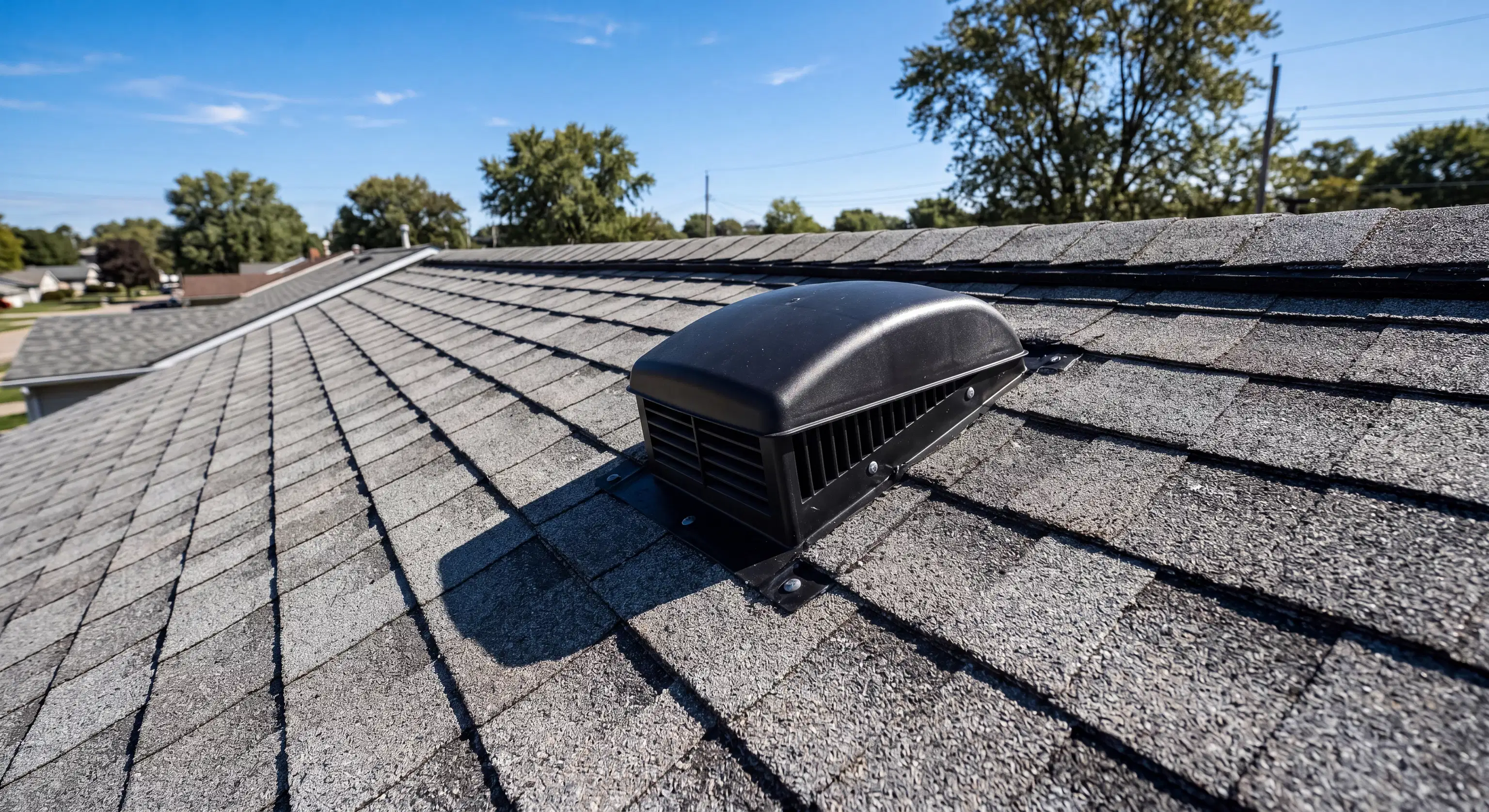
One of the most common questions we hear is regarding how long a typical shingle roof lasts in the extreme Florida heat and humidity. While high-quality architectural shingles are built to withstand a lot of punishment, they have a breaking point. When the sun bakes your roof all day, the temperature inside a poorly ventilated attic can soar well above 150 degrees.
This trapped attic heat essentially cooks your roofing materials from the inside out. Over time, this constant, excessive temperature causes the asphalt to break down prematurely. You might start noticing how trapped attic heat blisters asphalt shingles, causing them to crack, curl, or lose their protective granules long before their manufacturer warranty expires. A roof that should have lasted decades might suddenly need professional attention much sooner. By ensuring your attic can breathe, you protect your materials and delay the need for complete roof replacements.
Mastering the Flow: Balancing Intake and Exhaust Vents
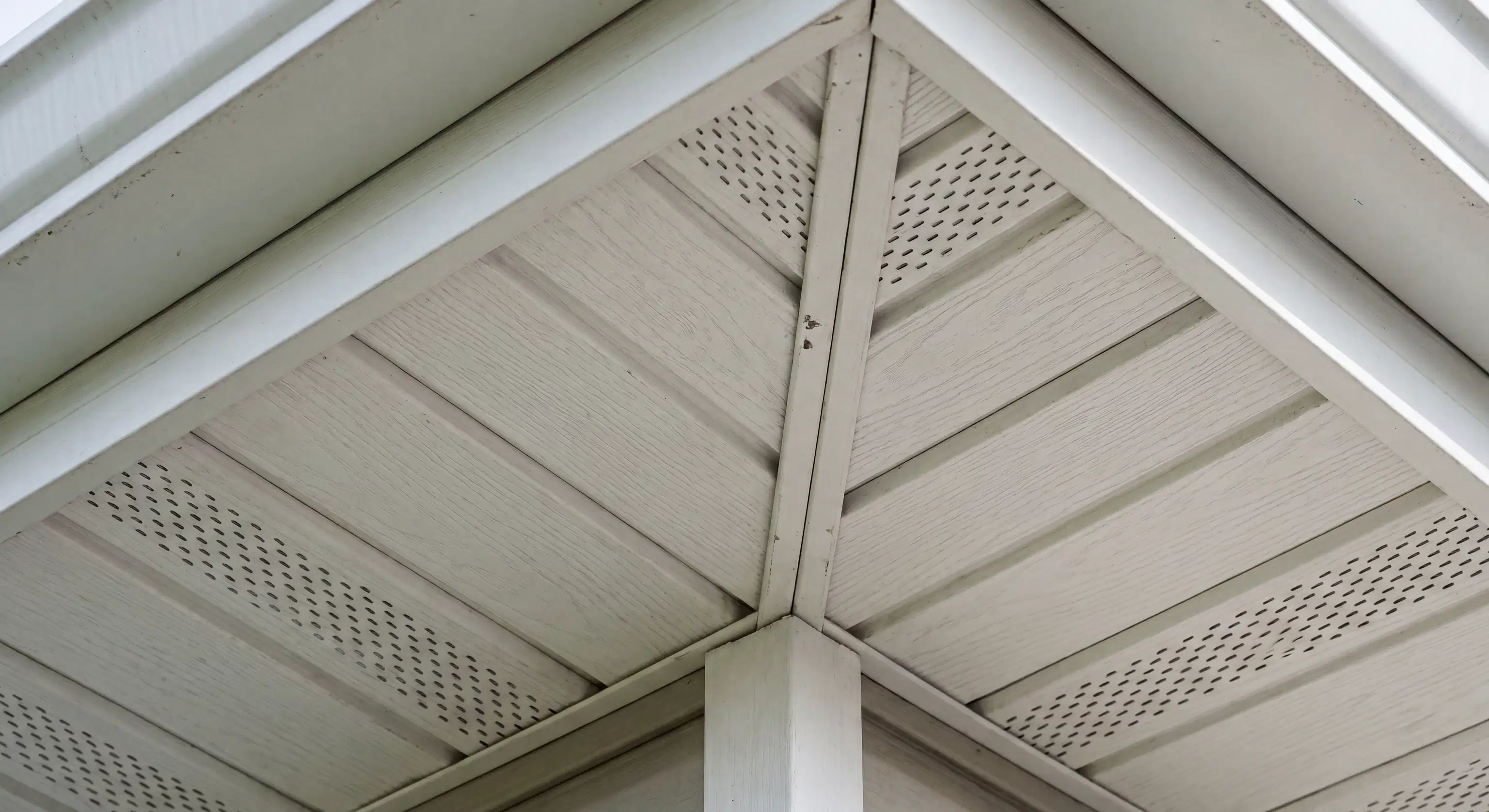
Effective ventilation isn't just about putting a few vents on the roof and calling it a day. It requires a precise system that continuously circulates air. This means correctly balancing intake and exhaust roof vents. Intake vents, typically located under the eaves or soffits, draw cooler, fresh air into the attic space. As that air warms up, it naturally rises and escapes through exhaust vents placed at or near the peak of the roof, such as ridge vents.
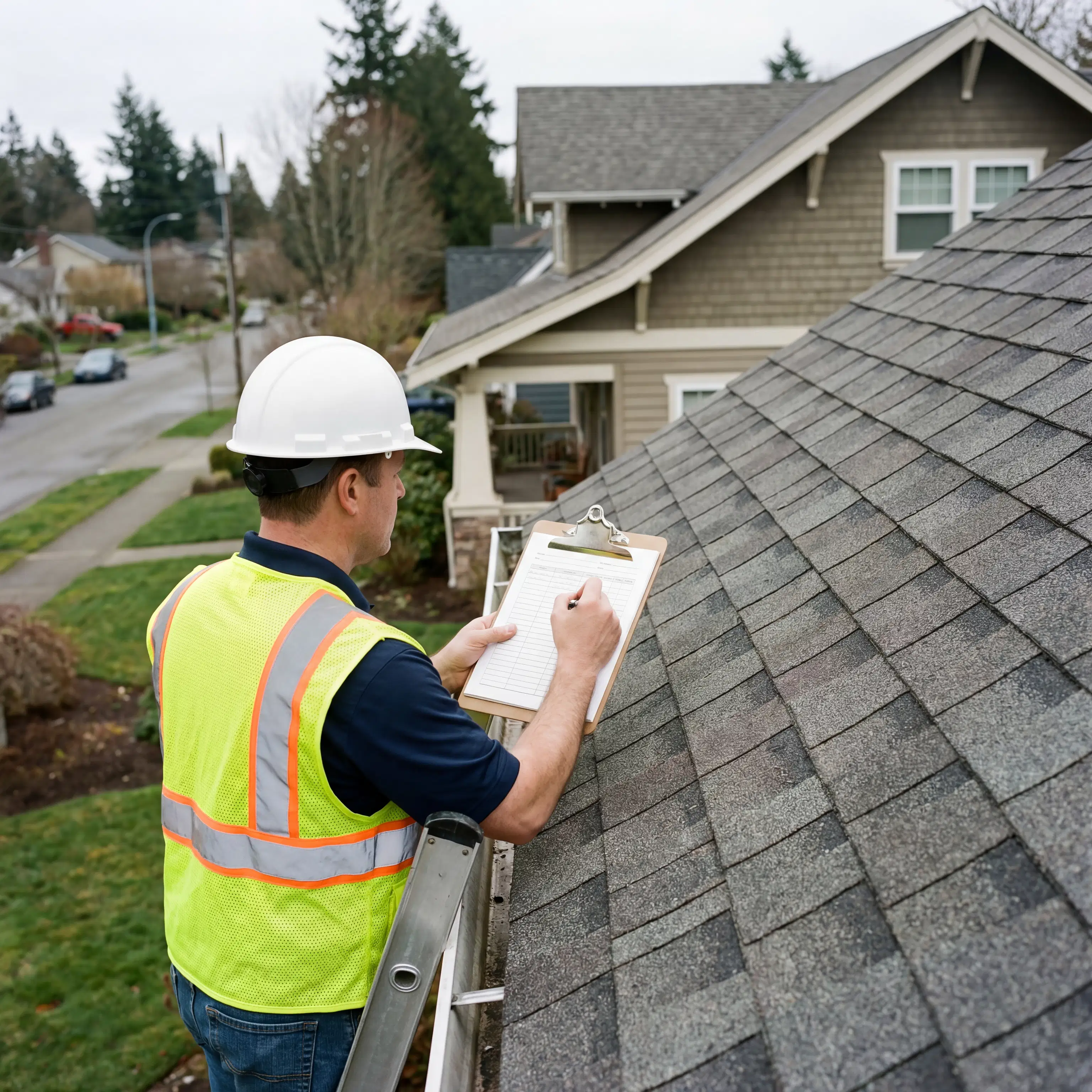
When this balance is off, the airflow system stalls. If you are experiencing signs of poor roof attic ventilation—like unusually high air conditioning bills, uncomfortably hot upstairs rooms, or noticeable mold growth—it is time to have a local professional take a look. With the rising costs of energy and materials squeezing household budgets, a well-ventilated roof is one of the easiest ways to improve your home's energy efficiency. We even utilize advanced drone inspections to safely and accurately assess your roof's ventilation layout, ensuring no detail is missed during our assessment.
Fighting Humidity: Preventing Moisture Damage to Roof Decking
Heat is only half the battle on the Space Coast. The incredible humidity rolling in off the Indian River combined with our heavy afternoon thunderstorms creates a constant moisture challenge. When humid air enters an unventilated attic, it has nowhere to escape. When temperatures drop slightly at night, that trapped humidity condenses into liquid water on the underside of your roof deck.
Over time, this chronic condensation leads to wood rot, compromising the structural integrity of your roof decking. It can also cause the nails holding your shingles to rust, which is already a concern with the salt air blowing in from the coast. Preventing moisture damage to roof decking through routine roofing maintenance ensures that the foundational structure of your roof remains solid, safe, and capable of withstanding high winds and severe weather.
Protect Your Investment with Florida High & Dry Roofing
Your roof is a major investment, and protecting it means looking at the whole system, not just the shingles on top. Whether you are building a new home in Mims or updating an older property in the heart of Titusville, making sure your attic breathes properly is essential for getting the maximum value and life out of your roofing materials.
If you suspect your attic ventilation isn't up to par, or if you have noticed premature wear on your shingles, we are here to help. At Florida High & Dry Roofing, we provide honest, transparent inspections and offer flexible financing options to make protecting your home as stress-free as possible. Reach out to our team today to schedule an evaluation and ensure your roof is ready to handle whatever the Florida weather brings.