
The Unsung Hero of Your Tile Roof: Why Underlayment Replacement is a High-ROI Investment
Tile roofs are an iconic part of the Florida landscape, known for their stunning beauty and incredible longevity. When properly maintained, clay or concrete tiles can last for 50 years or more, easily withstanding the intense sun and coastal air we experience here in Titusville. But while your tiles are the star of the show, there’s an unsung hero working tirelessly beneath them: the roof underlayment.
This hidden layer is your home's primary waterproof barrier. While the tiles shed the vast majority of rain, the underlayment is what truly keeps your home dry during a driving storm. The problem? Traditional underlayment materials simply don't have the same lifespan as the tiles above them. After 15-25 years of exposure to the Space Coast's heat and humidity, they can become brittle and fail, putting your home at risk.
Replacing your tile roof's underlayment isn't just a repair—it's one of the smartest investments you can make in your property. It protects your home's value, prevents catastrophic damage, and provides invaluable peace of mind.
What is Roof Underlayment and Why is it So Critical?
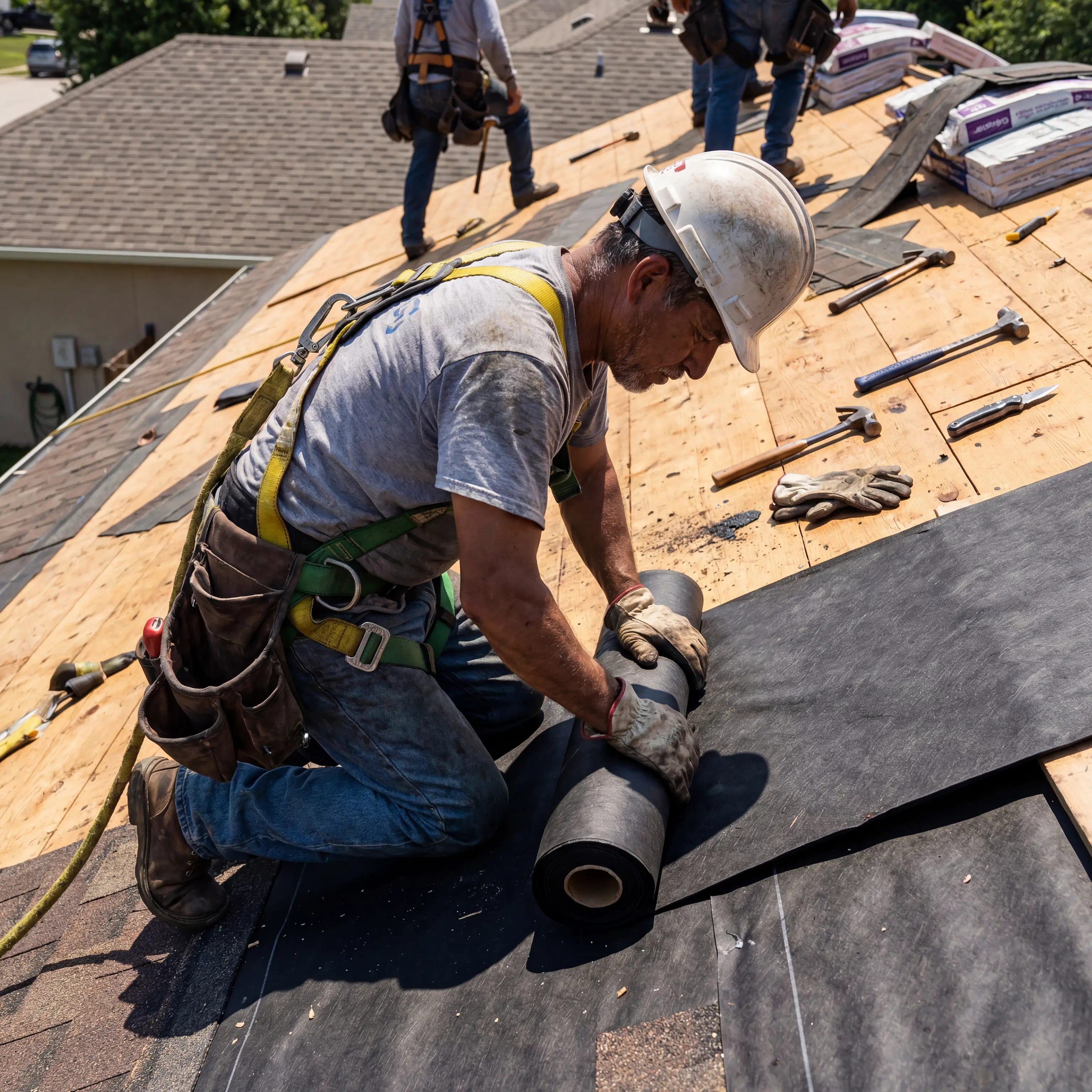
Think of your tile roof as a two-part system. The tiles are the armor—they take the direct impact from sun, wind, and rain. The underlayment is the shield beneath that armor. It's a water-resistant or waterproof material installed directly onto your roof's wooden deck, creating a crucial secondary barrier against moisture.
In Florida, this layer is non-negotiable. During hurricane season, intense winds can lift the edges of tiles and drive rain horizontally. Without a sound underlayment, this water would penetrate your roof deck, seep into your attic, and lead to serious problems like wood rot, mold growth, and interior water damage. A failing underlayment is often the root cause of a persistent roof leak, even when all the tiles appear to be perfectly intact. It’s the component that ensures your roof system performs as it should when facing our state's most challenging weather.
Telltale Signs Your Underlayment May Be Failing
Because the underlayment is hidden, identifying a problem early requires a bit of detective work. Ignoring these signs can lead to much more expensive repairs down the road. Here’s what to look for:
- Interior Water Stains: The most obvious red flag. If you see discoloration on your ceilings or walls, especially after a rainstorm, it's a strong indicator that water has breached both your tiles and your underlayment.
- A Musty Smell in the Attic: A damp, earthy odor often points to moisture intrusion and the potential beginnings of mold or mildew growth on the underside of your roof deck.
- Slipped or Cracked Tiles: When tiles shift or break, they can expose the underlayment to direct sunlight. The UV radiation rapidly degrades the material, creating a weak spot that will eventually fail.
- Debris in Gutters: If you notice black, brittle pieces of what looks like tar paper in your gutters, it’s likely your old felt underlayment disintegrating.
- The Age of Your Roof: If your tile roof is over 20 years old and you don't have records of the underlayment being replaced, it's wise to assume it's nearing the end of its effective life.
The only way to be certain about your underlayment's condition is with a professional roofing inspection. A trained expert can carefully assess key areas of your roof to determine its health without causing unnecessary disruption.
The 'Lift and Reset': Maximizing Value and Protection
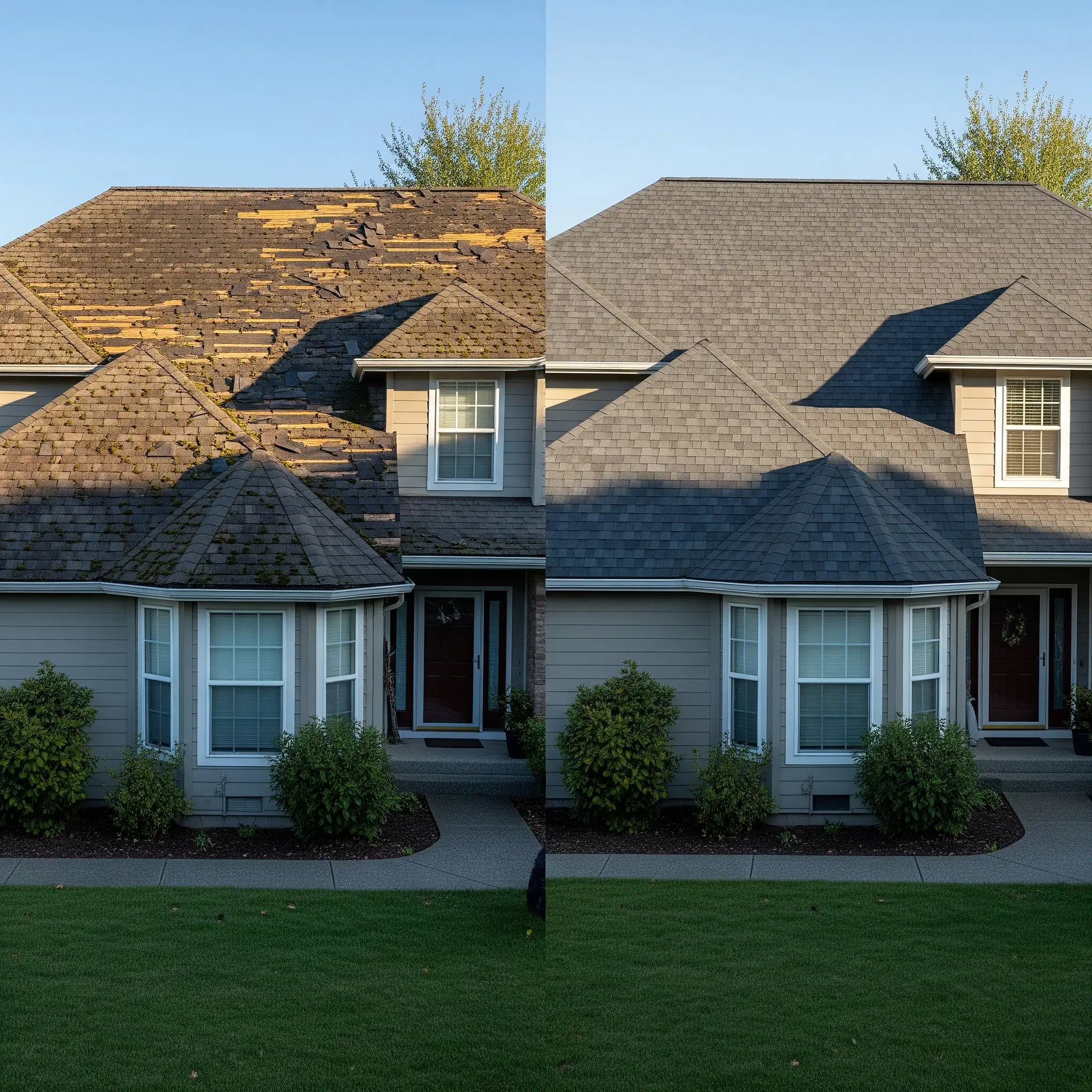
When the underlayment is the only part of your roof system that has failed, a full roof replacement is often unnecessary and overly expensive. This is where a 'lift and reset' procedure offers incredible value. This process involves:
- Careful Tile Removal: Our skilled crews meticulously remove your existing tiles and stack them safely for re-installation.
- Old Material Removal: We strip away the old, failed underlayment and any existing battens.
- Deck Inspection: We thoroughly inspect the wooden roof deck for any signs of water damage or rot, making any necessary roofing repairs to ensure a solid foundation.
- New Underlayment Installation: We install a high-performance synthetic underlayment that meets or exceeds the stringent Florida Building Code, ensuring superior water and wind resistance.
- Tile Re-installation: We reinstall your original tiles, replacing any that were cracked or damaged, to restore your roof's beauty and protective function.
This strategic service is a fantastic return on investment. You gain the performance and lifespan of a new roof's waterproofing system for a fraction of the cost of buying all-new tiles. It extends the life of your entire roof, improves your home's insurability, and provides the robust protection needed to weather the next storm with confidence.
Protect Your Investment with a Proactive Approach
Your tile roof is a significant asset. Protecting it means paying attention to the components you can't see. A failing underlayment is a silent threat that can compromise your home's structure and your peace of mind. By being proactive and addressing the health of this critical layer, you can avoid emergency repairs and ensure your beautiful tile roof lasts for decades to come.
If your tile roof is over 20 years old or you've noticed any of the warning signs, don't wait for a small issue to become a major disaster. The team at Florida High & Dry Roofing specializes in expert tile roofing services, including detailed inspections and professional underlayment replacement for homeowners throughout the Titusville area. Contact us today to schedule a comprehensive inspection and secure the future of your roof.