Those Black Streaks on Your Roof: A Homeowner's Guide to Algae and Moss in Florida
If you’ve lived on the Space Coast for any length of time, you’ve seen them: unsightly black or green streaks staining otherwise beautiful roofs. It’s a common sight across Titusville and throughout Florida, often mistaken for dirt or mold. The truth is, those streaks are typically a hardy type of algae called Gloeocapsa magma, and they’re doing more than just hurting your home’s curb appeal. They're slowly compromising the integrity of your roof.
Protecting your home means understanding the unique challenges our humid climate presents. In this guide, we'll break down what causes these stains, the potential damage they can inflict on your shingles, and the safe, effective ways to handle them. Your roof is your home's first line of defense, and keeping it healthy is key to its longevity.
What Exactly is Growing on My Roof?
Florida's combination of heat, humidity, and frequent rain creates a perfect incubator for organic growth on roofing surfaces. While they might look similar from the ground, it's important to know what you're dealing with.
- Black Streaks (Gloeocapsa magma): This is the most common culprit. It's a type of airborne cyanobacteria that thrives in moist environments. The black streaks are actually a hard, protective outer layer the algae creates to shield itself from the sun's UV rays. It often starts on the north-facing side of a roof where there's less direct sunlight and more moisture.
- Green Moss: Unlike algae, moss has a root-like structure that can anchor onto and underneath your shingles. It appears as fuzzy, green patches and holds a significant amount of moisture against the roof surface, which is particularly bad for the underlying structure.
- Lichen: This is a composite organism arising from algae and fungus. It often looks like splotchy, crusty patches of gray, green, or yellow. Lichen can be very difficult to remove and can cause shingle granules to detach when it's scraped off.
The primary food source for Gloeocapsa magma is the limestone filler used in most modern asphalt shingles. Essentially, the algae is slowly eating away at the components that give your shingles weight and durability.
More Than an Eyesore: The Real Damage to Your Roof
It’s easy to dismiss algae or moss as a simple cosmetic issue, but ignoring it can lead to costly problems down the road. Homeowners who prioritize the durability and value of their property should understand the risks.
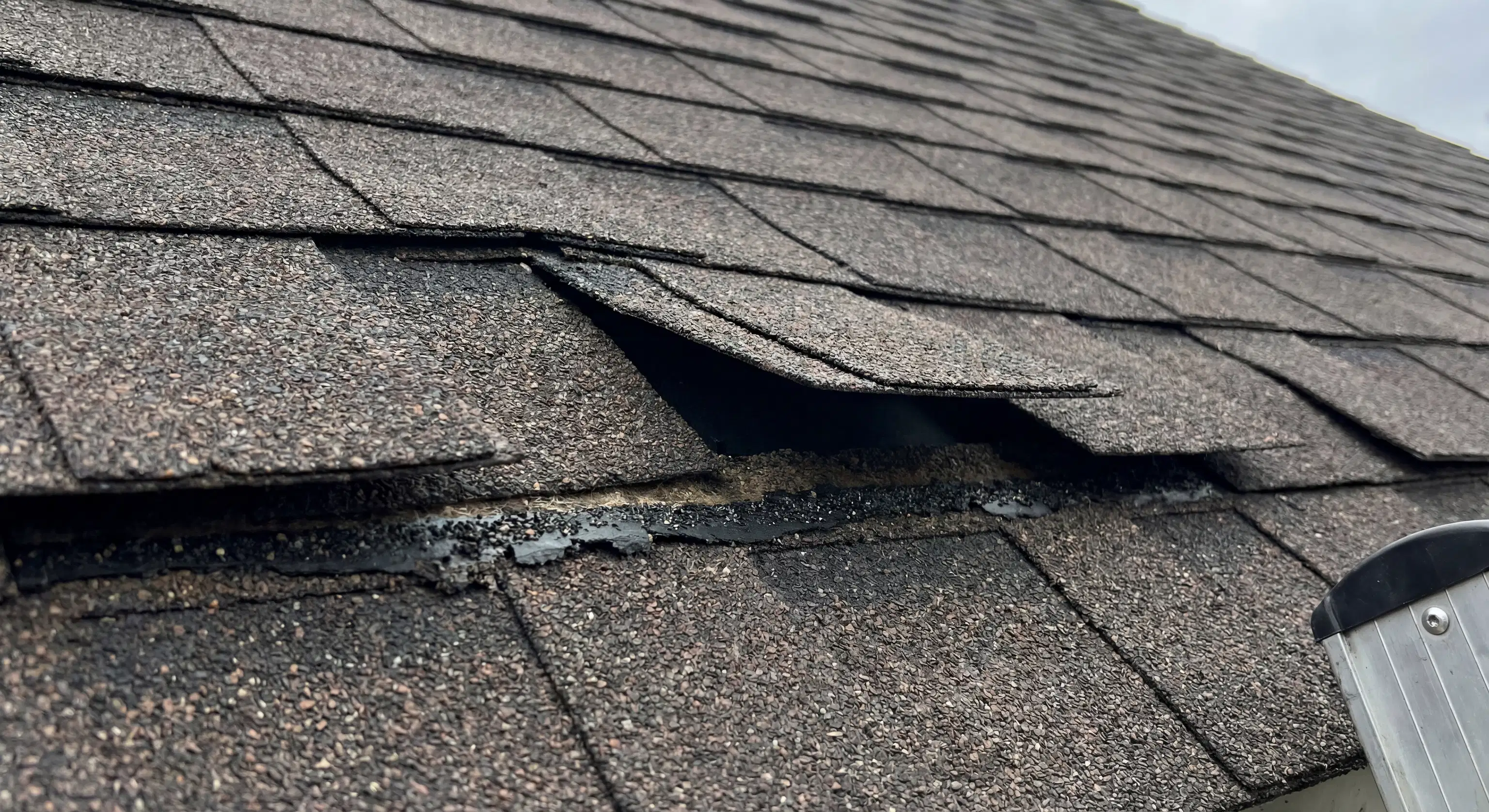
1. Accelerated Shingle Deterioration: As the algae consumes the limestone in your shingles, it loosens the protective granules. These granules are what shield your roof from the sun's harsh UV rays. Once they're gone, the asphalt underneath is exposed, becoming brittle and prone to cracking. This significantly shortens the lifespan of your roof.
2. Moisture Retention and Rot: Moss is like a sponge. It traps water against your shingles and the roof deck. During our rainy season, this constant moisture can lead to wood rot, leaks, and serious structural damage that is far more expensive to fix than the moss itself.
3. Reduced Energy Efficiency: Roofs with dark algae stains absorb more heat from the sun. This extra heat transfers into your attic and home, forcing your air conditioning system to work harder and driving up your energy bills, especially during our long, hot summers.
4. Insurance and HOA Issues: A stained, neglected roof can sometimes cause issues with homeowners' insurance policies or violate Homeowners Association (HOA) covenants, which often have clauses about property maintenance and appearance.
The Right Way to Clean Your Roof: Do's and Don'ts
When you decide to tackle the growth on your roof, it's crucial to do it correctly to avoid causing more harm than good. Many well-intentioned homeowners inadvertently damage their roofs by using the wrong methods.
DON'T Use a High-Pressure Washer: This is the most common mistake. A pressure washer can blast off the protective granules from your shingles, effectively aging your roof by a decade in a single afternoon. It can also force water up under the shingles, leading to hidden leaks.
DO Use a Soft Wash Method: The industry-approved method is soft washing. This involves applying a specialized, low-pressure cleaning solution that kills the algae, moss, and lichen at the root. The solution is left to dwell for a short period and then gently rinsed away with no more pressure than a standard garden hose.
DON'T Use Harsh Chemicals like Bleach: While some cleaning solutions contain a small, diluted amount of sodium hypochlorite (bleach), using a high concentration can damage your shingles, corrode metal flashing, and harm the landscaping around your home.
DO Consider Professional Help: The safest and most effective way to clean your roof is to hire a professional. We have the right equipment, biodegradable cleaning solutions, and safety training to do the job without damaging your roof or property. This is a key part of any effective roofing maintenance plan.
Long-Term Prevention and Protection
Cleaning your roof is a great first step, but how do you prevent the problem from coming back every few years? A proactive approach can save you time and money.
- Algae-Resistant Shingles: If you're considering a roof replacement, ask about modern shingles that are manufactured with copper granules. Copper is a natural algaecide, and as rain washes over the roof, it slowly releases copper ions that prevent algae from taking hold.
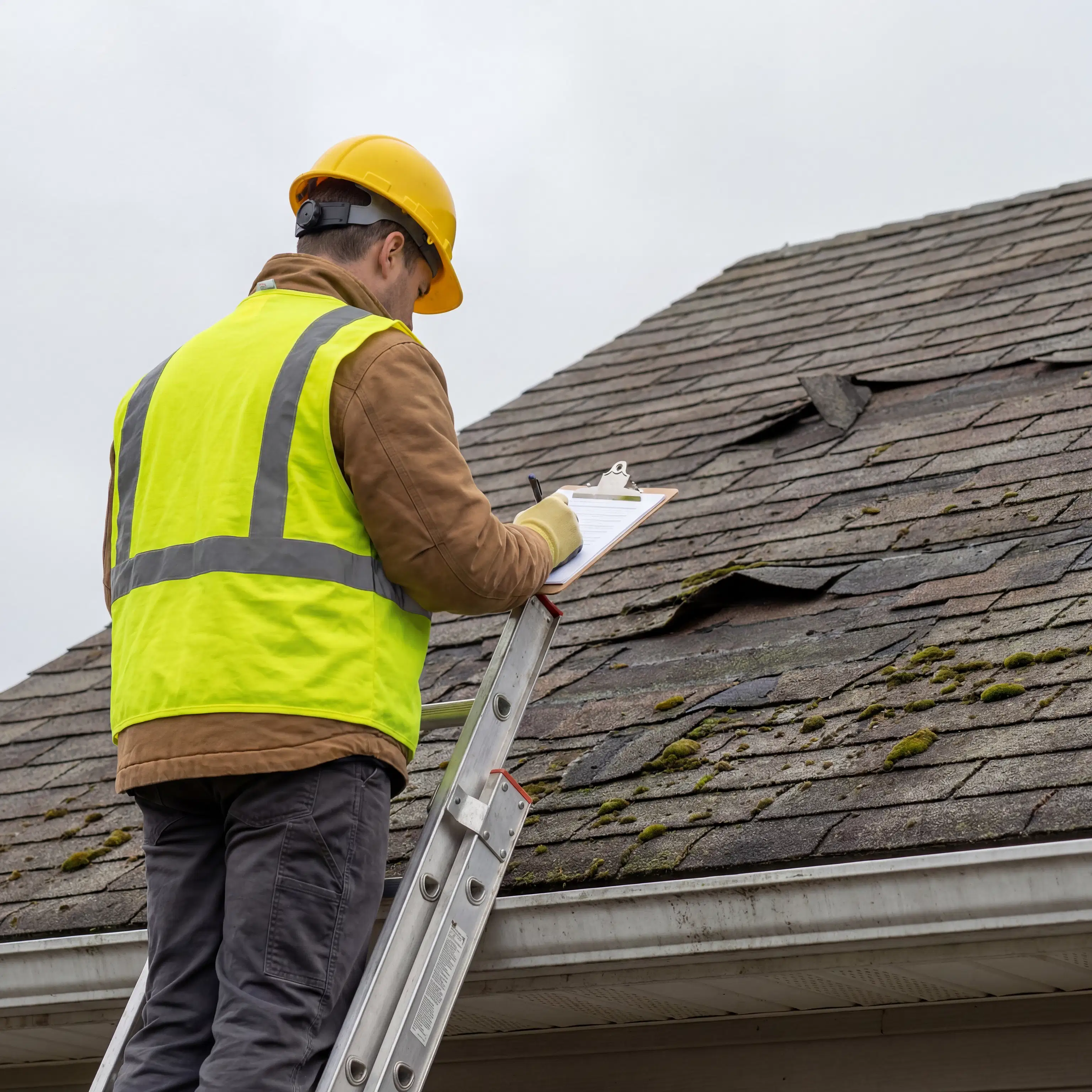
- Regular Inspections: Catching minor growth early is much easier than dealing with a widespread problem. A professional roofing inspection can identify problem areas, check for any underlying moisture issues, and ensure your roof is in good health.
- Trim Overhanging Trees: Pruning tree limbs to allow more sunlight to reach your roof helps it dry out faster after it rains, making it a less hospitable environment for algae and moss.
Protect Your Titusville Home's Biggest Asset
Your roof is a significant investment, and protecting it from the specific challenges of the Florida climate is essential. Those black streaks are more than just a stain; they're a warning sign that your roof's protective layers are under attack. By understanding the cause, recognizing the potential damage, and using safe cleaning and prevention methods, you can extend the life of your roof and maintain your home's value and safety.
If you're concerned about algae or moss on your roof, or if it's been a while since your last professional inspection, we're here to help. Contact the team at Florida High & Dry Roofing today for a comprehensive assessment and a plan to keep your Titusville roof clean and durable for years to come. Get your free estimate online or give us a call!