
Your Roof's Unsung Hero: The Secondary Water Barrier Explained
Living here on the Space Coast, we’re no strangers to dramatic weather. From intense summer downpours to the ever-present threat of hurricane season, our homes are constantly put to the test. While your shingles or tiles are the visible first line of defense, there’s a critical component working tirelessly underneath them to keep your home safe and dry. It’s called the secondary water barrier, and understanding its role is essential for any Florida homeowner.
Many homeowners only think about their roof when a problem arises, but a proactive approach can save you from costly headaches down the road. This crucial layer of protection is a non-negotiable part of a modern, resilient roofing system, especially in our climate. In this guide, we'll break down what a secondary water barrier is, why it’s so vital for your home, and how it provides peace of mind long after the installation is complete.
What Exactly is a Secondary Water Barrier?
Think of your primary roofing material—like asphalt shingles or tiles—as a raincoat. It’s designed to shed the vast majority of water. But what happens if that raincoat gets a tear or if wind drives rain sideways underneath it? That’s where the secondary water barrier, also known as underlayment, comes in.
This is a layer of material installed directly onto your roof's decking, underneath the shingles. Its job is to prevent any water that gets past your primary roofing from reaching the wooden structure of your roof and, ultimately, the inside of your home.
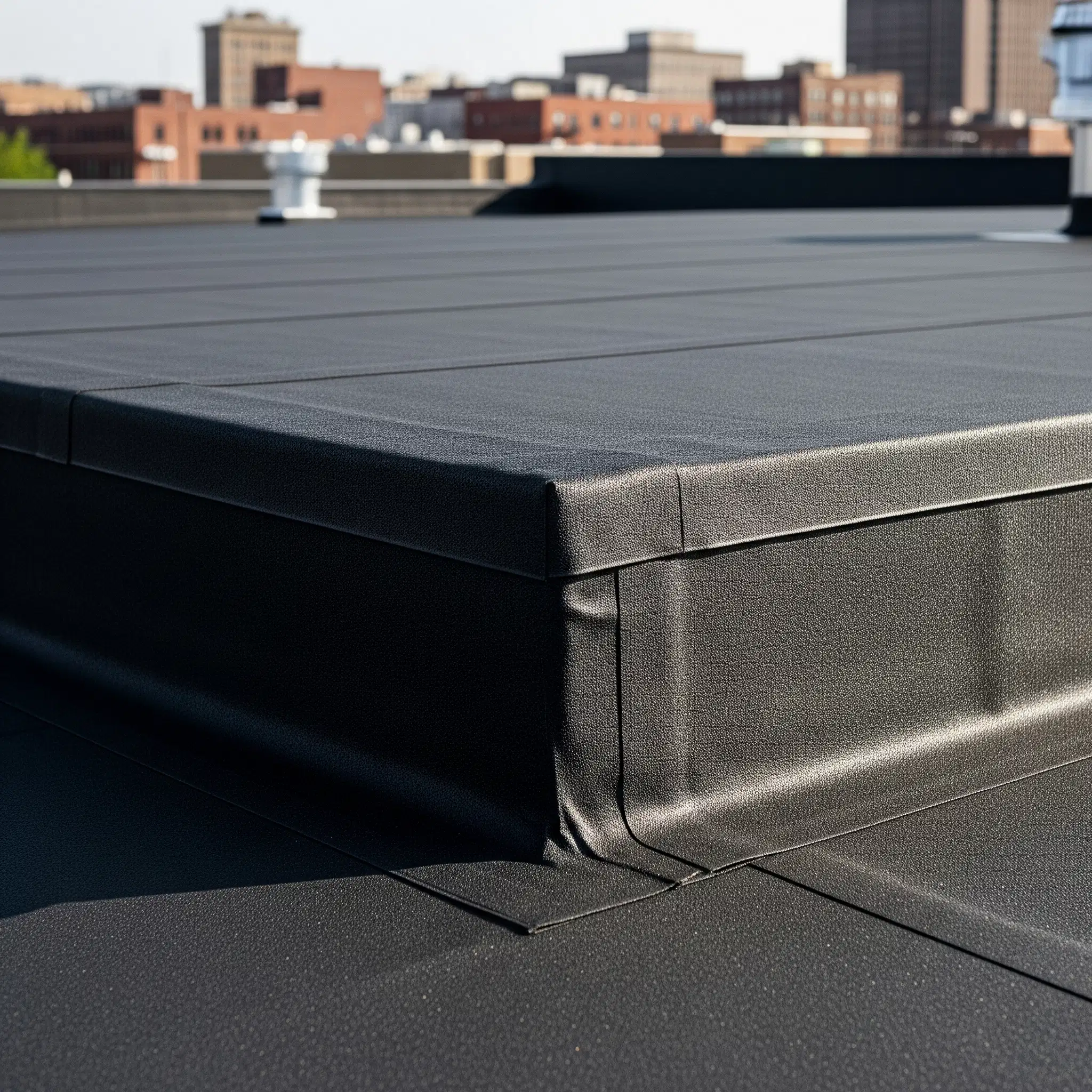
In the past, this was often just a layer of felt paper. However, modern roofing technology has led to significant advancements. Today, the gold standard, especially in hurricane-prone areas, is a self-adhered or “peel-and-stick” membrane. This type of underlayment seals directly to the roof deck and, crucially, seals around every nail or fastener used to install the shingles. This creates a truly waterproof, continuous membrane that acts as a powerful backup system.
Why This Layer is Crucial for Florida Homes
The Florida Building Code has stringent requirements for roofing, and for good reason. Our weather demands more from our homes. A properly installed secondary water barrier is not just a good idea; it's a code requirement that provides several key benefits specifically for homeowners in Brevard County.
- Hurricane Protection: During a major storm, high winds can lift or even tear off shingles. If this happens, a sealed secondary water barrier is the only thing preventing wind-driven rain from pouring into your attic and causing catastrophic interior damage. It can be the difference between a simple shingle repair and a complete home restoration.
- Preventing Slow Leaks: Not all water damage is dramatic. Small, slow leaks from aging shingles or damaged flashing can go unnoticed for years, leading to wood rot, mold, and compromised structural integrity. A high-quality water barrier protects the roof deck from this chronic moisture exposure.
- Wind Mitigation: A sealed roof deck, achieved with a self-adhered underlayment, is a key factor in wind mitigation inspections. This can lead to significant discounts on your homeowner's insurance premiums, helping a new roof replacement pay for itself over time.
- Peace of Mind: Knowing your home has this extra layer of defense provides invaluable peace of mind. When the weather alerts start, you can be confident that your roof is built to withstand the storm.
Ensuring Your Roof Has the Protection It Needs
The effectiveness of a secondary water barrier depends entirely on the quality of both the material and the installation. It's a critical component that is completely hidden once the job is done, which is why you must trust your roofing contractor to do it right.
During a roofing inspection, a professional can assess the condition of your current underlayment if there are signs of leaks. When it comes time for a full roof replacement, it’s the perfect opportunity to ensure your home is protected with a modern, high-performance secondary water barrier. This isn't an area to cut corners; it's a fundamental investment in the long-term health and safety of your home.
Your roof is a complete system, and every part has to work together. From the decking to the underlayment to the final shingle, quality installation is what ensures your home stays high and dry, just like our name implies.
Protect Your Home with a Superior Roofing System
A secondary water barrier is more than just a layer of material; it's your home's last line of defense against Florida's toughest weather. It protects your property, adds value, and provides the security you deserve.
If you have concerns about your current roof or are planning for a replacement, don't overlook this vital component. Contact the experts at Florida High & Dry Roofing today. We can provide a thorough inspection and help you design a complete roofing system that will protect your Titusville home for years to come. Let's ensure your property is prepared for anything.